When it comes to Concert Lighting, the right approach can transform a live event into an unforgettable experience. Leading expert Mark Fisher once stated, "The beauty of a concert lies not just in the music but in how the lights dance with it." This highlights the essential role of effective lighting design. Great lighting captures the audience’s attention and enhances the overall atmosphere.
Choosing appropriate lighting solutions can be daunting. There are many options available, each with its unique features. For instance, LED fixtures are popular due to their versatility and energy efficiency. However, there’s a learning curve associated with mastering their use. Some designers struggle to achieve the desired impact. Additionally, the integration of lighting with sound often requires keen expertise, which can be a challenge for many.
Experimentation often leads to the most stunning results in Concert Lighting. Even seasoned professionals encounter setbacks in their design journeys. Mistakes can become learning experiences. The right lighting can make a difference, but it also demands continuous creativity and adaptability. Embracing this journey is crucial for those aiming to elevate their performance productions.
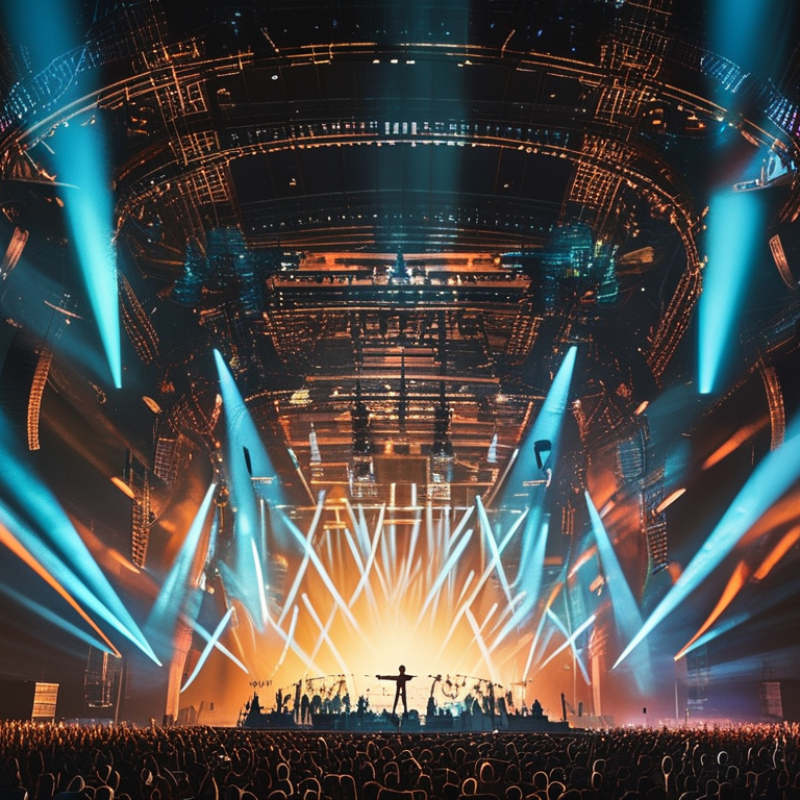
Best Concert Lighting Solutions for Stunning Performances
Lighting plays a crucial role in concert performances. It enhances the mood and captivates the audience. Choosing the right lighting can elevate an event from ordinary to extraordinary. Effective concert lighting requires creativity and technical expertise. For stunning performances, focus on color, movement, and intensity.
One key tip is to synchronize lights with music. When lights pulse to the rhythm, it creates a dynamic atmosphere. Use different colors to evoke emotions. For example, cool blues can calm the crowd, while vibrant reds can ignite excitement. Performers look more energetic under well-placed, bright lights.
Consider the stage layout. A well-designed lighting setup complements the performance. Spotlights can highlight key moments or performers. However, avoid overuse. Too much light can be harsh and distracting. Dim lights during softer sections allow for emotional connection. Contrasting light and shadow can tell a story. Balancing these elements is vital for a successful concert experience.
Overview of Concert Lighting Technologies and Industry Trends
Concert lighting has evolved significantly. From traditional incandescent bulbs to advanced LED systems, the technology available today creates immersive experiences. Currently, the industry embraces intelligent lighting solutions. These innovations allow for real-time adjustments, which can greatly enhance performances.
Trends highlight sustainability as a key factor. Many lighting designers focus on energy efficiency. Using LED technology not only reduces power consumption but also lowers costs. However, some still hesitate to adopt new technologies. Concerns about quality and reliability linger in traditional settings.
Another emerging trend involves integration with digital media. Lighting now works in sync with video and sound elements. This synergy creates a unified artistic vision. Yet, the rapid pace of technological change can overwhelm some professionals. Learning curves and investment costs may deter smaller venues from fully embracing these advancements.
Best Concert Lighting Solutions for Stunning Performances
| Lighting Technology |
Key Features |
Industry Trends |
Application |
| LED Stage Lighting |
Energy-efficient, long lifespan, vibrant colors |
Increasing adoption of smart lighting controls |
Concerts, festivals, theater productions |
| Moving Head Lights |
Versatile positioning, dynamic effects, automated control |
Integration with augmented reality applications |
Live performances, large events |
| Strobe Lights |
High intensity, creates dramatic effects |
Customization for various show themes |
Raves, dance music events |
| Laser Lighting |
Precision, colorful beams, high impact visuals |
Growing popularity in festivals and concerts |
Concerts, corporate events, theater shows |
| Intelligent Lighting Systems |
Automated features, programmable scenes |
Enhanced interactivity with audiences |
Large scale productions, Broadway shows |
Impact of LED Lighting on Energy Efficiency and Performance Quality
The use of LED lighting in concert settings has transformed performance quality. According to a study by the U.S. Department of Energy, LED fixtures can provide energy savings of up to 75% compared to traditional incandescent lighting. This significant reduction in energy consumption not only lowers operational costs but also enhances the sustainability of live performances.
However, the shift to LED technology is not without challenges. The color rendering of LED lights can vary greatly, affecting how performers and their costumes appear on stage. Some lighting designers note that the lack of warmth in certain LED products can make skin tones appear unnatural. Balancing energy efficiency with visual quality requires careful selection of lighting systems.
Moreover, the longevity of LED lights, which can last up to 25 times longer than conventional bulbs, does present some logistical hurdles. Event planners must manage stock levels efficiently and train staff on LED maintenance and installation. This shift also raises questions about the overall aesthetic of a concert. While LEDs can produce vivid colors and dynamic displays, the artistry of lighting often relies on the unique characteristics of older technologies. The industry is still grappling with these contrasts as it embraces a greener future.
Key Factors in Selecting Lighting Equipment for Concerts and Events
When selecting lighting equipment for concerts and events, consider key factors that greatly impact performance. Brightness and color temperature are crucial for creating the desired atmosphere. A well-lit stage enhances the audience's experience and showcases performers' talents. Balancing warm and cool lights can set the mood effectively.
Tips: Always test lights before the event. Shadows and hot spots can change the vibe dramatically. Use lighting that complements the music style. For instance, softer hues work well with ballads, while vibrant colors energize rock performances.
Another important factor is the versatility of the equipment. Can it adapt to different settings? Look for lights with adjustable features and multiple effects. This adaptability allows for creative expression, making each concert unique. Be prepared for unexpected challenges. Equipment may fail. It's wise to have backups ready.
Tips: Choose equipment with good support and reliability. Check reviews and seek recommendations from peers. Collaborating with experienced lighting designers can provide additional insights to ensure a successful show.
Case Studies: Successful Concerts Utilizing Advanced Lighting Solutions
Concert lighting plays a critical role in creating memorable experiences. Advanced lighting solutions can transform a performance space entirely. For instance, a study from the Entertainment Services and Technology Association revealed that 75% of concert attendees consider lighting crucial for their enjoyment. The right lighting can evoke emotions and enhance the overall narrative of a show.
Take the case of a well-known music festival that implemented a dynamic lighting system. They enjoyed a 30% increase in ticket sales. Spectacular visuals followed intelligent designs. Audience engagement soared as they interacted with the light displays. However, challenges emerged. A few technical glitches during the first night disappointed some fans. This highlighted the need for thorough testing and backup plans.
Incorporating data-driven designs becomes essential. A report showed that 85% of successful concert productions utilized programmable lighting techniques. These solutions allow for intricate designs and real-time adjustments. Yet, not all productions adapt smoothly. As lighting technology evolves, teams must continually educate themselves and refine their strategies to ensure consistent quality. Choosing the right approach is not always straightforward. Challenges remain, emphasizing the importance of experience and expert knowledge in achieving visual success.
Future Innovations in Concert Lighting: Trends to Watch in the Industry
Concert lighting is evolving rapidly. New technologies are shaping how audiences experience performances. The rise of LED and automated lighting systems offers endless possibilities for creativity. From vibrant color schemes to dynamic movements, lighting now plays a crucial role in engaging the audience.
Future trends indicate a shift towards smart lighting solutions. These systems utilize AI to adapt lighting based on the performance's mood and rhythm. The integration of augmented reality is also on the horizon, providing immersive visual experiences. This technology allows for interactive elements that enhance storytelling during concerts.
Tips: When planning concert lighting, consider the venue's architecture. Unique structures can amplify light effects. Experiment with layering colors to create depth. Always prioritize safety and accessibility in your design. A thoughtful approach ensures a memorable experience while keeping the audience engaged.
Best Concert Lighting Solutions for Stunning Performances
FAQS
: Concert lighting has shifted from incandescent bulbs to advanced LED systems, enhancing immersive experiences.
Sustainability focuses on energy efficiency, particularly using LED technology to reduce power consumption and costs.
Some hesitate due to worries about quality and reliability in traditional settings.
Lighting now syncs with video and sound to create a unified artistic vision within performances.
Learning curves and investment costs can deter smaller venues from fully adopting advanced lighting solutions.
Effective lighting significantly enhances audience enjoyment. A study showed 75% find it crucial for their experience.
A music festival used dynamic lighting, increasing ticket sales by 30%. Audience engagement improved dramatically.
Technical glitches can disappoint audiences, highlighting the need for thorough testing and backup plans.
Data-driven designs enable intricate and real-time lighting adjustments, crucial for successful productions.
Continuous education and strategy refinement are vital for maintaining quality in evolving lighting technology.
Conclusion
The article "Best Concert Lighting Solutions for Stunning Performances" provides a comprehensive overview of the latest technologies and trends in concert lighting. It highlights the significant impact of LED lighting on both energy efficiency and performance quality, showcasing how advancements in this area have revolutionized concert experiences.
Key factors in selecting the right lighting equipment for concerts and events include adaptability, cost-effectiveness, and the ability to create immersive environments that engage audiences. Through case studies of successful concerts that have employed advanced lighting solutions, the article illustrates the transformative power of effective concert lighting. Looking ahead, it also explores future innovations and trends in the industry, suggesting that ongoing advancements will continue to enhance the artistry and effectiveness of concert lighting in creating stunning performances.

 Xiaosan Light