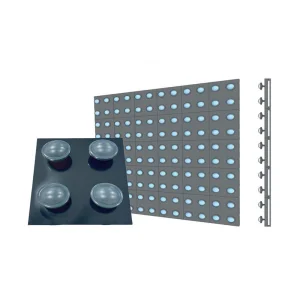
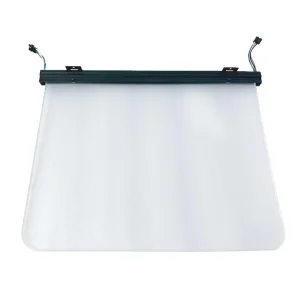
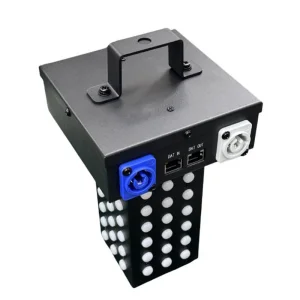
Engineered for high density, dynamic stability, and architectural control systems
Your strategic global partner for robust, immersive visual systems
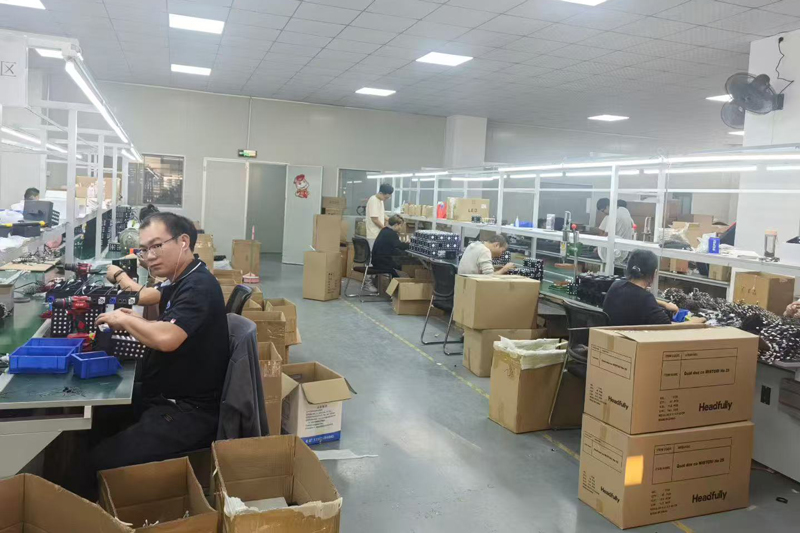
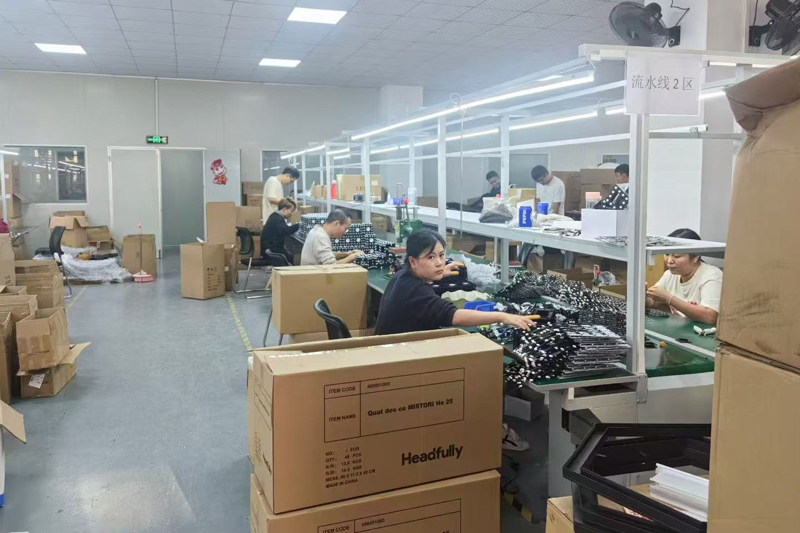
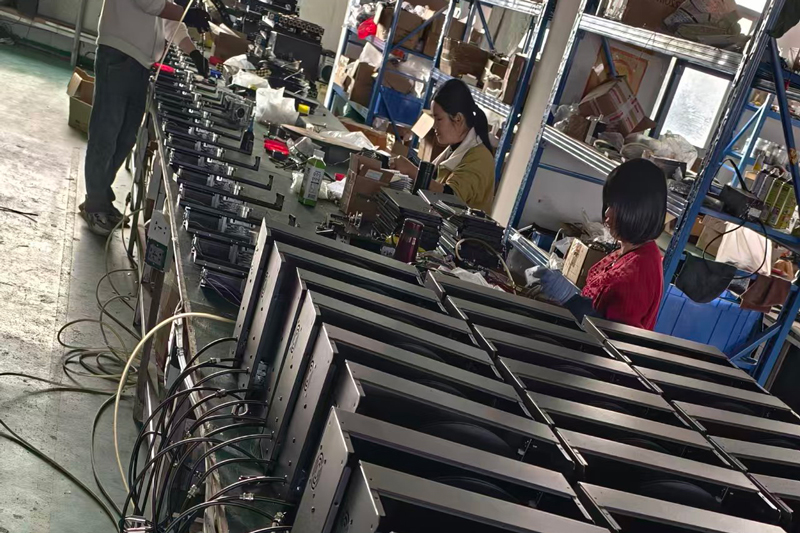
Xiaosan, created by Mrs Ami Q and her husband Mr. Ahren Z, founded in 2019, located in Guangdong province, is a professional factory specializing in providing LED lighting solutions for nightclub, DJ disco and various entertainment venues. Our main products include high-quality lighting fixtures such as lifting spherical lights, Kinetic Light, LED effect light, LED Screen, LED Dance Floors, 3D effect lights, scanning lights, moving head lights and more.
The factory covers an area of 1000 square meters and is equipped with advanced production equipment and a complete R&D team to ensure that every product meets the highest industry standards. Currently, our team consists of 30 experienced employees who specialize in lighting technology and have rich experience and professional knowledge in the field of production and manufacturing.
Xiaosan not only provides lighting production, but also integrates research and development, design, installation, and commissioning, providing one-stop services to meet the diverse needs of customers. We adhere to the core concept of "innovation, quality, and service", constantly introducing the latest technologies to enhance product performance.
Whether it's a small event or a large-scale performance, Xiaosan is always available at your service. In the new century, the company's success lies in its superior quality assurance and first-class after-sales service. All products come with a three-year warranty. We offer competitive prices and strive to meet customer needs.
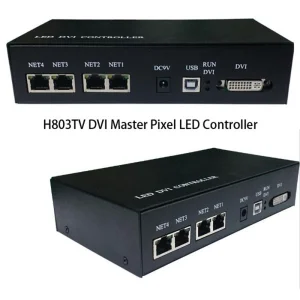
We offer advanced lighting control systems that allow for seamless integration and precise control of all lighting fixtures, including dynamic Madrix online master control protocols and complex DMX architectures.
Serves over 30,000 companies, including Global 500s, and exports to 30+ countries. Offers professional design, 3D solutions, marketing support, and 24h multilingual customer service.
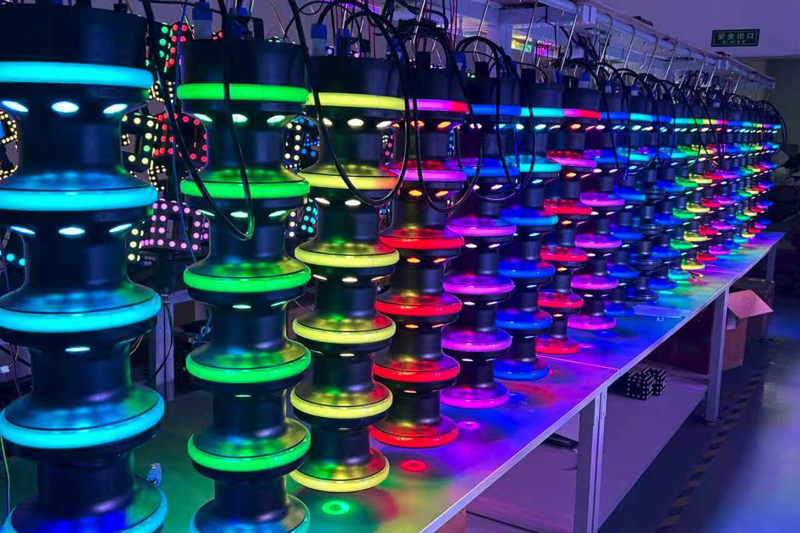
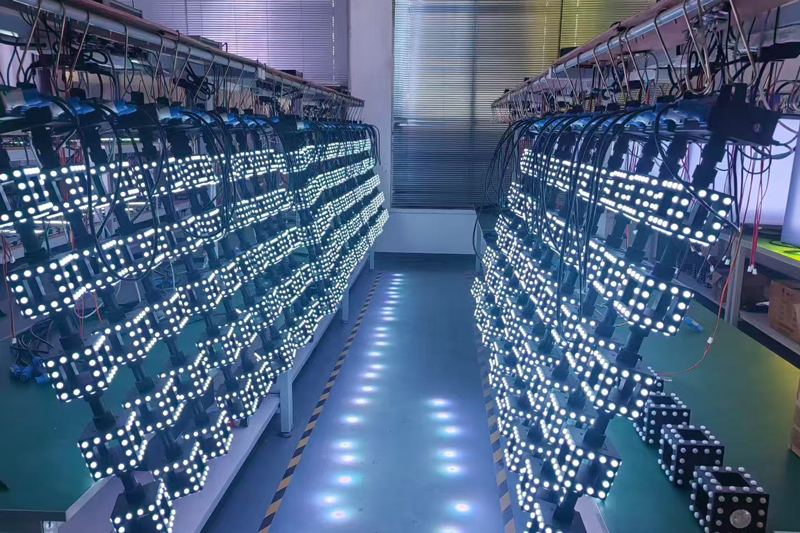
Analyzing the paradigm shift toward structural kinetic pixel arrays and volumetric illumination
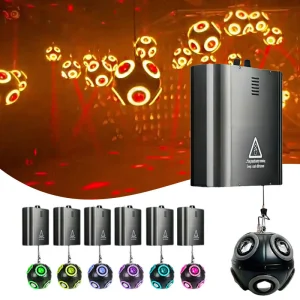
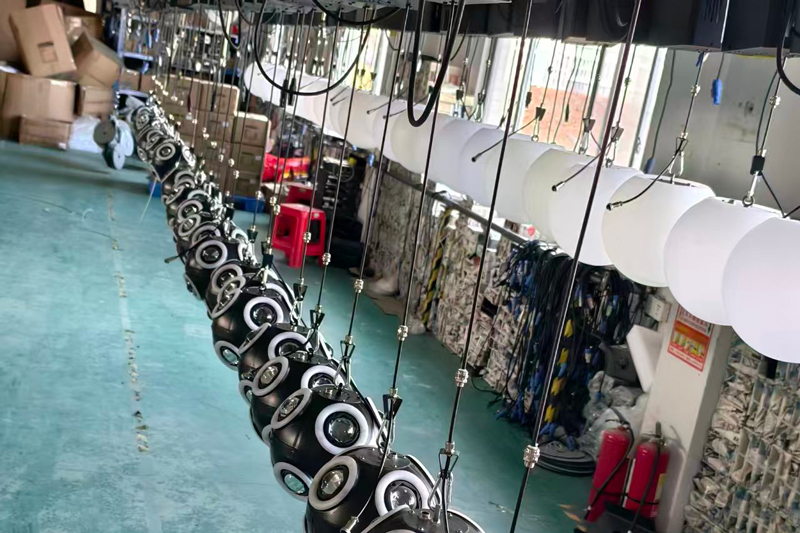
The commercial lighting landscape has evolved from flat, two-dimensional projection planes to spatial volumetric displays. The 3D Magic Gourd Light represents a major milestone in this transition. Combining a high-optical-efficiency gourd shape with multidirectional SMD LED arrays, these fixtures function as physical voxels (volumetric pixels). By wrapping light sources around a curved, structural geometry, manufacturers can create complex 3D visual patterns that are readable from a 360-degree viewing angle.
Unlike traditional LED globes, the gourd configuration optimizes light dispersion. The shape minimizes internal reflection losses and helps blend colors smoothly, creating soft, natural gradients rather than harsh, direct pixel points.
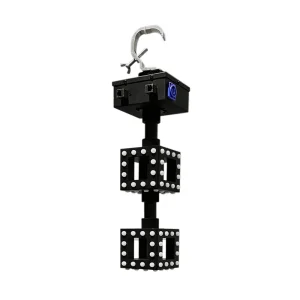
Static spatial structures are increasingly giving way to dynamic, motor-driven lighting systems. The modern entertainment market demands kinetic systems that can adjust physical heights and spatial spacing on the fly. Splicing 3D Gourd Lights with precise winch systems enables visual designs where light clusters drop, sway, and rise in sync with audio tracks or visual media.
This physical motion requires lightweight materials that do not compromise light-scattering capabilities. Modern factories use premium acrylic resins and thermosetting PMMA plastics. These materials maintain structural durability and thermal resistance while remaining light enough to minimize strain on the kinetic winch motors.
As pixel densities scale up, older control methods can struggle with bandwidth. Today's advanced 3D Gourd Lights rely on Art-Net and sACN protocols to carry high volumes of DMX512 data over standard Ethernet lines. This allows lighting designers to control thousands of unique spatial pixels from single consoles, facilitating smooth integration with software platforms like Madrix.
In large setups, this setup allows for real-time video-to-light mapping. Light columns can display low-resolution video feeds, ambient textures, and sound-reactive visuals across entire event spaces.
Key technical specifications and regulatory standards for international sourcing managers
For installations in North America and the European Union, CE, RoHS, FCC, and UL/ETL certifications are crucial. Quality manufacturers must verify structural integrity, fire-retardant enclosures (such as UL94-V0 class plastics), and electrical isolation designs to prevent high-voltage hazards in public spaces.
To perform well on camera without visual flickering, procurement managers should specify high-frequency PWM (Pulse Width Modulation) driver ICs (typically 1920Hz or 3840Hz). Multi-color consistency is maintained using calibrated Epistar or Sanan RGB chips, preventing color shifts over long operating cycles.
Every venue has unique physical layouts. Buyers need partners who can modify wire lengths, customize gourd dimensions, adjust suspension points, and adapt IP protection ratings (like IP20 for indoor venues vs. IP65 for outdoor festivals).
Why Guangdong remains the core hub for cost-performance and technological leadership
Southern China, particularly Guangdong, hosts one of the world's most concentrated optical and electronic supply chain ecosystems. Industry 4.0 initiatives have upgraded regional factories from basic assembly shops to smart manufacturing centers. Sourcing from this hub offers key structural advantages:
Precision pick-and-place systems ensure solid solder joints, reducing circuit failures under heavy vibration.
Aging chambers test fixtures under high thermal loads to verify driver and acrylic shell durability.
Integrating spheres measure color temperature consistency and lumen output across production batches.
Winches and cables undergo structural load tests to comply with regional overhead rigging safety standards.
Transforming architectural, retail, and entertainment spaces with 3D light arrays
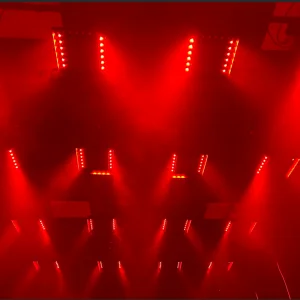
In modern entertainment spaces, visual immersion is key to customer retention. Large arrays of 3D Gourd Lights, suspended from ceiling grids, create dynamic, moving ceilings. These layouts can morph from slow, glowing ambient shapes to rapid strobe effects during high-energy musical transitions.
Brands use 3D lighting fixtures to build engaging, interactive installations. Symmetrical gourd matrices can display abstract logos, brand gradients, or geometric shapes, capturing foot traffic in large, crowded trade show environments.
Hotel lobbies, cruise ship atriums, and commercial malls utilize permanent kinetic installations. These arrays run scheduled, ambient lighting sequences that shift based on the time of day, transforming public spaces into engaging visual art features.
High-efficiency lighting, kinetic motors, and advanced processing hardware
Critical engineering and logistical guidance for sourcing and installation teams
 Xiaosan Light