When it comes to delivering unforgettable performances, "Concert Lights" play a pivotal role. According to renowned lighting designer, Mark O’Connor, “Light transforms the atmosphere and captivates the audience.” This insight highlights how effective lighting can enhance the mood and energy of any show.
Concert lights are not merely tools; they are transformative elements that elevate the experience for both performers and viewers. They can create dramatic effects, breathtaking visuals, and immersive environments. Yet, achieving the perfect lighting for a concert is not easy. It requires knowledge, skill, and an understanding of how light interacts with sound and stage presence.
As the concert landscape evolves, lighting technology advances too. The challenge remains to balance innovation with reliability. Many industry professionals sometimes find themselves overwhelmed by the myriad of options available. It’s essential to reflect on what truly works in practice. Effective lighting doesn’t just dazzle; it must also support the artist’s vision and connect with the audience.
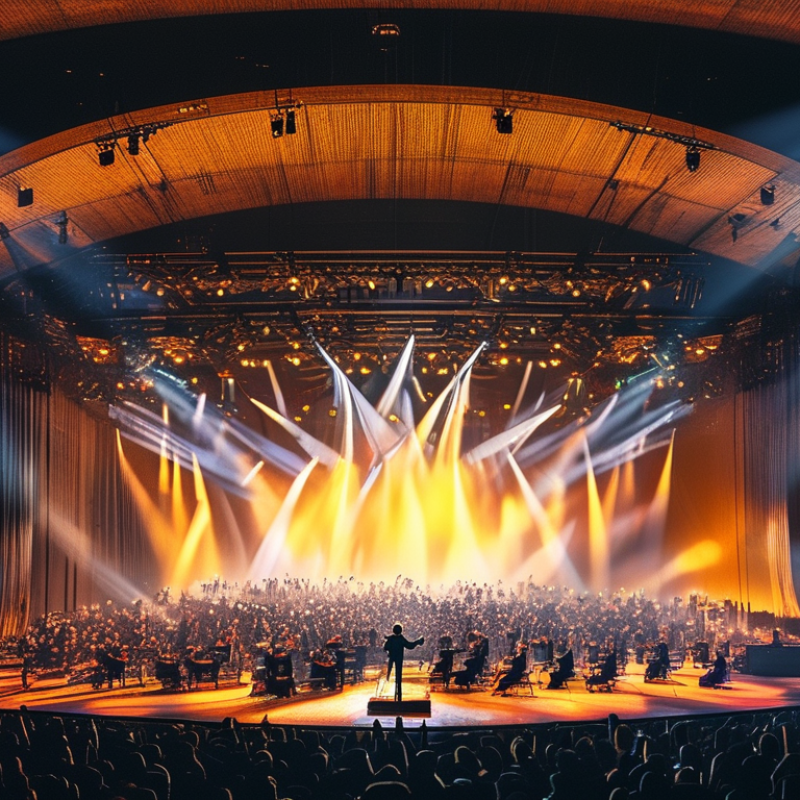
Choosing the right lighting for concerts is crucial for creating memorable experiences. The atmosphere set by lights affects performers and the audience alike. Different genres might require varying styles, colors, and intensities of lighting. Rock concerts may benefit from bold, vibrant colors, while classical performances often require softer, warmer hues.
Tips for selecting concert lights include understanding the venue size. A small venue might not need as many lights as a large arena. Consider using programmable LED lights that can change colors and intensities easily. These offer flexibility for different performances. Ensure the lighting complements the performance, enhancing it rather than overpowering it.
Another important aspect is to assess budget constraints before making decisions. Investing in high-quality equipment can seem daunting, yet it often pays off. Reflect on previous concerts to see what worked and what didn’t. This evaluation can guide future choices. Sometimes, less is more. A simplistic design can often create a more profound impact than a complex one.
| Light Type | Brightness (Lumens) | Color Temperature (K) | Control Type | Weight (lbs) |
|---|---|---|---|---|
| LED Par Can | 3000 | 3200 | DMX | 7 |
| Moving Head | 6000 | 6000 | DMX | 15 |
| Strobe Light | 5000 | 5500 | Manual | 10 |
| Wash Light | 4000 | 5000 | DMX | 8 |
| Laser Light | 7000 | 4500 | Manual/DMX | 5 |
: The main types include LED lights, moving head lights, strobe lights, and wash lights. Each has unique features.
LED lights offer vibrant colors and energy efficiency. They consume less energy, making them ideal for many venues.
Moving head lights are versatile and can create dynamic effects. However, their weight can complicate transport and setup.
Strobe lights can create excitement with intense flashes. But they may also cause discomfort for some audience members.
Wash lights deliver soft illumination over large areas. They create warmth, but may not be dramatic for energetic songs.
Look for light output, color options, adjustable brightness, and robust construction. Energy efficiency is also essential.
Innovative lighting can captivate audiences and enhance moods. Synchronized lighting boosts engagement but requires careful execution.
Poorly timed lights can disrupt a performance. Balancing visual effects with musical integrity is crucial for a good show.
Interactive systems allow audience participation, enhancing emotional connections. However, over-reliance might overshadow the performers' talents.
Good build quality ensures longevity and durability. Lightweight fixtures help with transport, making setups faster and easier.
When organizing a live performance, selecting the right concert lights is crucial for creating an engaging atmosphere. This overview explores various types of concert lights, ranging from traditional fixtures to modern LED options, highlighting their unique characteristics and applications. Understanding the different choices available can help event planners match the lighting to the ambiance of their performance.
Key features to consider when choosing concert lighting equipment include brightness, color versatility, energy efficiency, and ease of control. Additionally, innovative lighting techniques such as synchronized light shows and dynamic effects can greatly enhance the overall experience for audiences. By focusing on high-quality solutions and applying creative lighting strategies, organizers can elevate the visual aspect of their shows, ensuring memorable performances that resonate with attendees.

 Xiaosan Light