What Are the Best Stage Lights for Your Event Needs?

Time:2026-07-09 Author:Charlotte
0%

Choosing the right stage lights is crucial for any event. In the entertainment industry, lighting accounts for nearly 20% of production costs. High-quality stage lights can significantly enhance the overall experience, captivating the audience and elevating performances. When selecting stage lights, consider factors such as brightness, color temperatures, and energy efficiency.

According to a recent survey by Event Marketer, 76% of event planners prioritize lighting as a key element. Proper lighting can transform a simple venue into a breathtaking setting. It's essential to understand the unique requirements of your event to make informed decisions.

Nevertheless, many overlook the importance of planning for flexibility and future needs. Some stage lights may seem appealing but may not offer the versatility required for varying settings. Investing in reliable, adaptable lighting options can prevent future frustrations. Overall, a thoughtful approach to selecting stage lights can create unforgettable experiences for both performers and audiences alike.
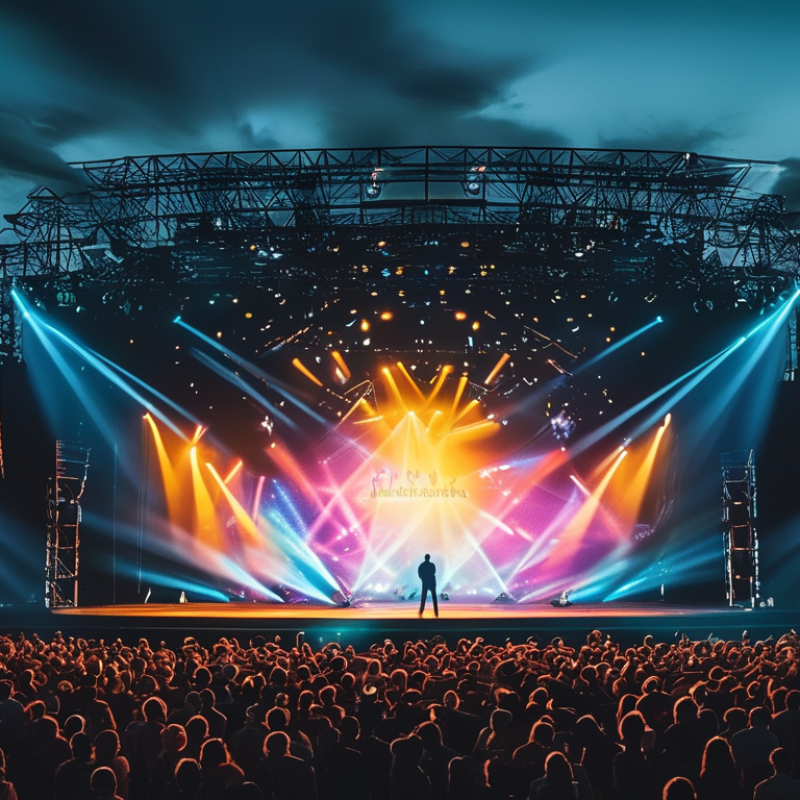
What Are the Best Stage Lights for Your Event Needs?

Understanding Your Event's Lighting Requirements

When planning an event, lighting plays a crucial role. It can transform the atmosphere, enhance visuals, and engage attendees. Understanding your event's specific lighting needs is essential for creating the right ambiance. Different events require different approaches. For instance, a concert demands vibrant, dynamic lights, while a corporate presentation thrives on subtle, focused lighting.

Identifying the venue is a key factor. A large outdoor space may need more powerful fixtures than a cozy indoor gathering. Think about the mood you want to establish. Do you prefer a warm, intimate setting or a bright, energetic vibe? Colors also play a significant role. Cool tones can evoke calmness, while warm tones create excitement. Every choice in lighting should reflect your event's purpose.

Budget constraints may influence your decisions. Simple setups might sometimes fall short of creating an impactful experience. Reflect on what elements provide the most value. Consider mixing various light types like LEDs and spotlights to achieve your desired effect. It is vital to test your lighting ahead of time. This way, you can identify what works and what doesn't. Future events can benefit from these reflections. Lighting is not just about illumination; it's about telling a story through your event.

Best Stage Lights for Different Event Types

Types of Stage Lights: An Overview

When planning an event, understanding different types of stage lights is essential. Each type serves a unique purpose. For instance, LED lights are energy-efficient and versatile. They can change color easily to suit various moods. Spotlights are powerful tools that highlight specific performers or moments. Their focused beams draw attention where it’s needed most.

Another option is wash lights. These provide broad illumination and can cover large areas. They help create an inviting atmosphere. Gobos can project patterns or images, adding a creative touch to your event. This type of lighting may require more setup time, leading to challenges. Ensure your team is prepared to make adjustments as needed.

Choosing the right lights can be complex. Each type has its own benefits and limitations. Understanding these can enhance your event's experience. Experiment with different combinations to see what works best. Lighting can transform a space, but it also needs careful thought and planning.

Factors to Consider When Choosing Stage Lights

When selecting stage lights for an event, several key factors come into play. The specific needs of each event can greatly influence lighting choices. Consider the venue size. A large auditorium requires powerful lights to reach all corners. According to industry reports, about 70% of lighting professionals stress the importance of matching light intensity and coverage to the space.

Another pivotal aspect is the type of event. A concert may require dynamic, colorful lighting effects, while a corporate presentation benefits from soft, even illumination. Reports indicate that 55% of event planners prioritize light quality for enhancing audience experience. Understanding the mood and atmosphere needed is imperative.

Budget constraints also shape decisions. High-quality stage lighting can be expensive, with rental costs varying widely. However, spending wisely can lead to significant event impact. Studies suggest that investing in versatile lighting options can save overall costs, as they can adapt to various events. Exploring different techniques and technologies, such as LED fixtures, can provide flexibility and better energy efficiency.

What Are the Best Stage Lights for Your Event Needs?

Light Type Brightness (Lumens) Beam Angle Weight Power Consumption (Watts) Best For
LED Par Can 3000 25-45° 3 kg 50 Events, Concerts
Moving Head Light 6000 12-20° 10 kg 150 Theater, Shows
Fresnel Light 5000 30° 5 kg 200 Film, Photography
Strip Light 1500 120° 2 kg 30 Ambience, Decoration
Strobe Light 8000 N/A 4 kg 100 Parties, Raves

Best Stage Lights for Various Event Types

Choosing the right stage lights for various event types is crucial. Different events require different lighting effects. For instance, concerts benefit from dynamic lights that can change colors rapidly, creating an energetic atmosphere. According to a report from the Event Lighting Association, lighting can influence audience engagement by as much as 30%.

Corporate events demand a more subtle approach. Soft, even lighting offers a professional look, enhancing presentations while minimizing distractions. Research shows that well-lit environments can improve information retention by 25%. This is vital when the goal is to leave a lasting impression on attendees.

Festivals often feature elaborate setups, where LED lights shine brightly. They not only attract attention but also improve safety during nighttime activities. However, it's easy to overlook the need for proper installation and maintenance. Faulty wiring or improper setup can lead to unexpected failures or safety hazards. Continuous training for staff can prevent such issues, ensuring every event shines brightly.

Maintaining and Operating Stage Lights Effectively

Maintaining and operating stage lights effectively is crucial for event success. Proper maintenance ensures safety and optimal performance. Regular checks on connections and bulbs can prevent unexpected failures. A study from the Event Production Association reported that 30% of lighting issues stem from poor maintenance practices. This highlights the need for diligence.

Tip: Always keep an inventory of spare parts. This practice helps you address minor issues before they escalate. Remember to store spare bulbs in a safe, easily accessible place.

It’s essential to train your crew on light operation procedures. Knowledgeable staff can troubleshoot problems quickly. A well-trained team can reduce downtime significantly. However, even experienced operators may overlook details under pressure. Mistakes can happen. Learning from these errors improves future performances.

Tip: Conduct regular training sessions. Revise protocols and encourage open discussions on challenges faced. Learning from collective experiences fosters a proactive culture. This approach not only enhances technical skills but also builds team morale.

FAQS

: What are the main types of stage lights?

: The primary types include LED lights, spotlights, wash lights, and gobos. Each serves a unique purpose.

How do LED lights benefit events?

LED lights are energy-efficient and versatile. They easily change colors to match different moods.

Why are spotlights important in stage lighting?

Spotlights focus on specific performers or moments. Their beams help direct the audience's attention effectively.

What should you consider about venue size?

Venue size affects lighting needs. Larger spaces require powerful lights for comprehensive coverage.

How can budget constraints influence lighting choices?

Budget limits impact decisions. High-quality lighting can be pricey, but wise spending leads to better results.

Why is maintenance crucial for stage lights?

Proper maintenance ensures safety and performance. Neglect can lead to significant lighting issues during events.

What training should lighting crew receive?

Crew members should learn light operation and troubleshooting. Regular training promotes skill enhancement and teamwork.

How do different events affect lighting needs?

Event type dictates lighting choices. Concerts may need vibrant effects, while corporate events require soft, even light.

What is one way to prevent lighting failures?

Keep an inventory of spare parts. This helps address minor issues before they develop into larger problems.

What can happen if operators overlook details?

Mistakes can occur under pressure. Learning from these errors aids in improving future performances.

Conclusion

When planning an event, understanding your lighting requirements is crucial to create the desired atmosphere. Stage lights play a vital role in enhancing the overall experience, whether it’s for a concert, theater production, or corporate event. This article provides an overview of various types of stage lights, including LED, moving heads, and spotlights, to suit different event needs.

Factors to consider when choosing stage lights include the size of the venue, the type of performance, and the mood you wish to convey. It’s essential to select the best stage lights for your specific event type, ensuring they are maintained and operated effectively for optimal performance. By taking these elements into account, you can significantly enhance the visual appeal and engagement of your event.


Charlotte

Charlotte

Charlotte is a seasoned marketing professional with a deep understanding of the company's portfolio and a passion for elevating its presence in the market. With a keen eye for detail and a commitment to excellence, she ensures that our professional blog is regularly updated with insightful articles......