China Best Lamp And Light Manufacturers For Global Buyers begins with a practical question: can a supplier deliver reliable light, not merely attractive products?
The International Energy Agency reports that lighting represents about 15% of global electricity consumption. Its analysis also shows that efficient LED products can reduce energy use substantially compared with traditional incandescent lamps. The United Nations Environment Programme’s U4E initiative reaches a similar conclusion: efficient lighting supports lower operating costs and reduced carbon emissions.
These figures matter to importers. A warehouse may display hundreds of samples, yet performance can change after mass production. A warm-white bulb should remain warm-white. A commercial downlight should manage heat during long operating hours. Small details often separate a dependable manufacturer from a polished catalogue.
Thomas Edison, a pioneer of electric lighting, once said, “We will make electricity so cheap that only the rich will burn candles.” His statement still reflects the industry’s ambition, although modern buyers must also consider efficiency, durability, and responsible sourcing.
This guide examines China’s leading Lamp And Light manufacturers through product quality, certifications, testing capacity, customization, and export experience. It also considers factory communication and after-sales support. These areas are less glamorous, but they often determine project success.
No supplier is perfect.
A factory with strong pricing may lack design flexibility. Another may offer impressive samples but weak production controls. Global buyers should therefore verify test reports, inspect materials, and compare real project references before signing contracts. The following overview offers a clearer starting point for that evaluation.
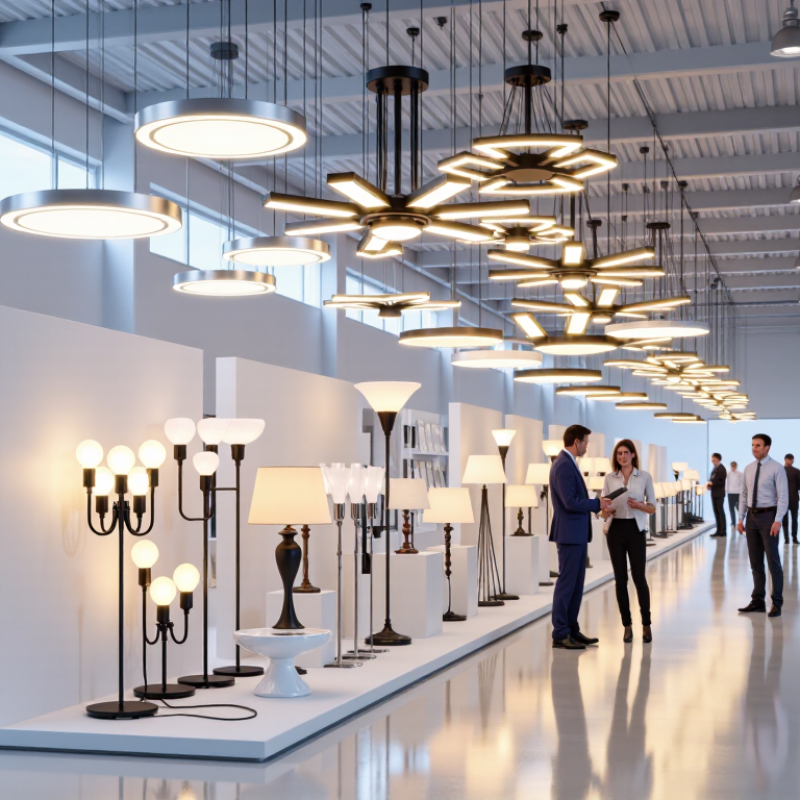
China’s lamp and lighting industry has grown from basic fixture assembly into a broad manufacturing ecosystem. It now covers LEDs, drivers, optical lenses, smart controls, and architectural systems. The China Association of Lighting Industry reported that domestic lighting industry revenue exceeded RMB 600 billion in recent years. Export factories also serve residential, commercial, and outdoor projects worldwide.
Energy efficiency drives this expansion. The International Energy Agency estimates that lighting uses about 15% of global electricity. LED adoption can sharply reduce power consumption and replacement frequency. In a typical factory, engineers test heat dissipation, color consistency, and driver stability before shipment. Small details matter. A poorly matched driver may cause flicker, noise, or early failure.
China’s manufacturing strength comes from dense supplier networks and flexible production lines. Component makers, mold workshops, testing laboratories, and assembly plants often operate within the same industrial regions. This shortens development cycles, but quality is not automatic. Buyers should examine test records, material traceability, photometric files, and relevant market certifications. Some product specifications still look impressive on paper, yet field performance can disappoint. The IEA’s lighting efficiency reports also show that connected lighting is expanding, although installation complexity and cybersecurity require more careful evaluation.
Common options include pendant lamps, chandeliers, wall sconces, table lamps, and floor lamps. Compare glass shapes, metal finishes, socket types, and color temperatures. Small details matter.
Check lumen output, beam angle, color rendering, driver quality, dimming method, and expected lifetime. Suitable products include downlights, panels, track lights, linear fixtures, and high-bay lamps. Catalog claims are not enough.
Warm 2700K lighting can suit a hotel lounge or relaxed dining area. Around 4000K may support clearer retail displays. The wrong color can make a space feel unpleasant.
Confirm IP ratings, corrosion resistance, mounting hardware, and regional electrical requirements. Review floodlights, garden lights, bollards, street fixtures, and wall-mounted security lamps. Test the details.
Samples may reveal uneven diffuser brightness, loose terminals, or overheated drivers. Request test reports, wiring diagrams, and production samples. Photos can hide defects.
Review prices line by line. Confirm the trade term, such as EXW or FOB, and list packaging, molds, testing, spare parts, and custom finishes separately. A cheap unit price may hide weak cartons.
Record color temperature, wattage, cable length, surface treatment, materials, and required quantities. Clear drawings reduce misunderstandings between factories and buyers. Vague wording becomes expensive.
Measure the packed carton, not only the lamp, because volumetric weight affects freight. Confirm carton strength, pallet needs, labels, and customs information with a qualified logistics provider. Delays happen.
Schedule a pre-shipment inspection before the goods reach the port. Leave time for rework, especially when packaging is oversized or components vary. I once underestimated freight space. That mistake was avoidable.
China has become a major hub for lamp and lighting production, offering global buyers a broad range of products, including residential fixtures, commercial lighting, outdoor lamps, industrial solutions, smart systems, and customized designs. This industry benefits from mature supply chains, flexible manufacturing capabilities, efficient production processes, and access to diverse materials and components. Buyers can work with manufacturers that support both standard collections and tailored specifications for different markets and projects.
When evaluating China’s best Lamp And Light suppliers, global buyers should examine product quality, factory capabilities, communication, production capacity, and previous export experience. Certifications, safety testing, energy-efficiency requirements, and packaging standards should be verified according to the destination market. Buyers should also compare quotations carefully, considering material selection, order quantities, tooling, payment terms, lead times, and quality inspections. Finally, shipping methods, customs documentation, insurance, and delivery schedules should be planned in advance to control costs and ensure a smooth international sourcing process.

 Xiaosan Light