How to Choose the Right Lighting Equipment for Your Needs?

Time:2026-07-21 Author:Isabella
0%

Choosing the right lighting equipment can significantly impact your projects. Whether you're a photographer, videographer, or event planner, selecting the appropriate lighting is essential. It can enhance visuals and set the mood. Understand your specific needs before making a decision.

Different environments require different types of lighting equipment. Studio setups demand soft light, while outdoor events need powerful, portable solutions. Think about your space and purpose. Sometimes, a simple LED light might work better than complex systems. Reflect on what you've used before, but don't be afraid to explore new options.

Consider your budget as well. Quality lighting equipment can be an investment. It's easy to get overwhelmed by choices. Trust your instincts but do your research. Read reviews and seek advice from experts. Everyone makes mistakes when choosing lighting equipment, but learning from those experiences can refine your future decisions.
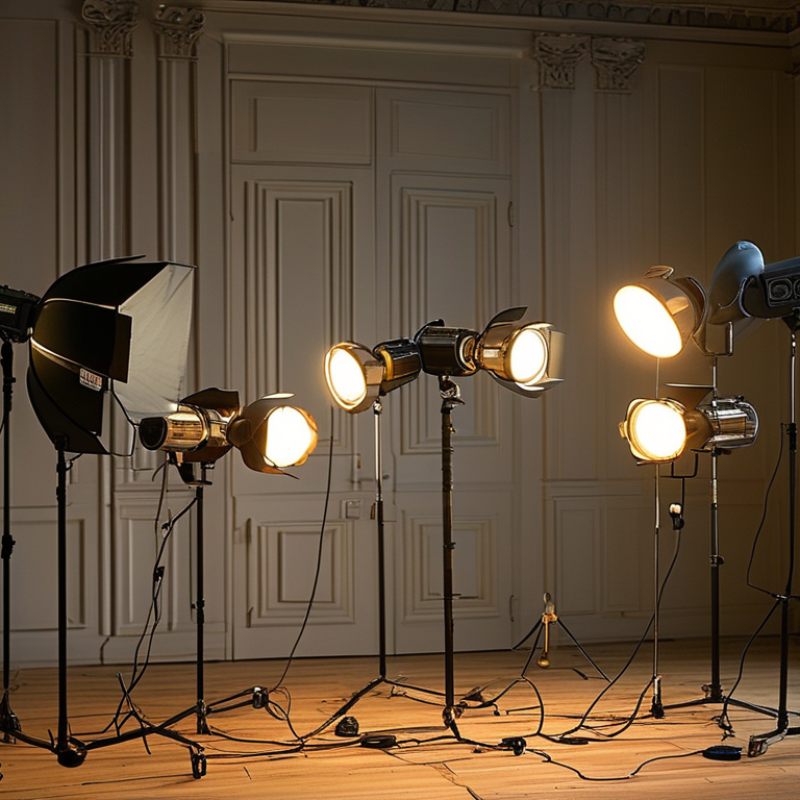
How to Choose the Right Lighting Equipment for Your Needs?

Understanding Your Lighting Needs for Different Environments

Understanding your lighting needs for different environments is crucial. The type of light you choose can alter the mood and functionality of a space. In a home setting, warm tones can create a cozy atmosphere. Yet, in an office, bright white light enhances productivity. Knowing the purpose of your space helps you select suitable equipment.

Consider the size of your environment. A small room may need just one light source, while larger areas often require layered lighting. It's also important to think about natural light. Rooms with large windows may need less artificial lighting during the day. Conversely, darker spaces need bright, focused light.

Don’t overlook the impact of color temperature. Warmer temperatures (around 2700K-3000K) work well for relaxation. In contrast, cooler temperatures (4000K-5000K) are better for work settings. Experimenting with different types of lighting can lead to reflections on what works best. Finding the right balance takes time, but it enhances your environment significantly.

Types of Lighting Equipment: Key Features and Functions

Choosing the right lighting equipment can be overwhelming. There are different types of lighting sources, each with distinct features. Understanding these types will aid in making an informed decision.

LED lights are known for their energy efficiency and long lifespan. They can last up to 50,000 hours, significantly reducing replacement costs. According to the U.S. Department of Energy, LED lighting can save up to 75% energy compared to traditional bulbs. However, the upfront cost may deter some users. Many feel unsure about whether the initial investment is worth the long-term savings.

Fluorescent lights offer brightness and coverage. They are commonly used in offices and commercial spaces. Their effectiveness in larger areas is notable, but the light quality can become harsh without proper diffusers. A 2021 survey by the International Energy Agency highlighted that poor lighting can affect employee productivity. It's important to balance intensity with comfort.

Incandescent bulbs provide warm light but are less energy-efficient. They typically last only about 1,000 hours. This shorter lifespan can lead to more frequent replacements. Users often grapple with the compromise between warm aesthetics and energy savings. It’s essential to evaluate your needs carefully before selecting a type.

Assessing Power Sources: Battery vs. Plug-In Options

When choosing lighting equipment, understanding power sources is crucial. You generally have two options: battery-powered and plug-in lights. Each has its advantages and disadvantages, depending on your needs.

Battery-powered options offer mobility. You can use them anywhere, making them great for outdoor shoots or tight spaces. However, batteries can drain quickly. You may find yourself scrambling for replacements during an important event. This limitation requires planning and foresight. Consider how long you need the lights to run. A spare set of batteries is essential for extended use.

Plug-in lights provide consistent power. They are perfect for studio environments where access to outlets is guaranteed. Yet, their range of movement can be restricted by cords. This setup could lead to clutter on set. Safety is also a concern with cable management. Using proper clips and securing cords can prevent accidents. Both types have their pros and cons, emphasizing the need for careful assessment of your specific situation.

How to Choose the Right Lighting Equipment for Your Needs? - Assessing Power Sources: Battery vs. Plug-In Options

Aspect Battery Options Plug-In Options
Power Source Rechargeable Batteries Wall Outlet
Usage Time 2-12 Hours (depending on usage) Indefinite as long as plugged in
Portability High Low
Setup Time Quick Moderate, requires power access
Light Output Varies; generally lower Higher and more consistent
Cost Higher upfront, lower long-term Lower upfront, higher energy costs

Determining Your Budget: Cost Considerations for Lighting Gear

Choosing the right lighting equipment begins with understanding your budget. Lighting gear can vary significantly in price, impacting your options. It's crucial to determine how much you are willing to spend before exploring your choices. Consider both initial costs and potential ongoing expenses, such as bulbs and maintenance. Assess your priorities and weigh productivity against expenditure.

Tips: Consider purchasing used equipment to save money. Many photographers have gear that’s still in great condition but are looking to upgrade. It's a practical choice if you're starting out. Look out for local marketplaces or online platforms specializing in used gear.

Thinking practically helps to avoid overspending. A basic setup may suffice for smaller projects. Not every high-end product is necessary. You can find quality alternatives if you're willing to explore. Review your needs regularly to adjust your budget accordingly. It’s easy to get drawn into the latest trends, so reflection is important.

Tips for Testing and Choosing the Right Light for Your Projects

When selecting lighting equipment, understanding your project needs is crucial. According to a report from the American Society of Interior Designers, over 70% of lighting professionals recommend testing light fixtures before purchasing. This ensures they fit your specific requirements. Start by considering the ambiance you wish to create. Do you need bright, direct light, or soft, diffused lighting? Each choice affects the overall look.

When testing lights, observe the color temperature. A study by the International Association of Lighting Designers found that 85% of clients prefer warmer tones for residential spaces. Bring samples of your materials and see how they interact with different light sources. This simple exercise can unveil surprises. You might find a light that looks appealing on its own falls flat with your chosen colors.

Pay attention to energy efficiency, too. The U.S. Department of Energy states that LED lights use at least 75% less energy than traditional bulbs. This choice positively impacts both the environment and your budget. However, reflect on the long-term cost and quality. Some inexpensive options may lead to quicker replacements. Take time to weigh these factors before making a final decision.

Lighting Equipment Preferences for Different Projects

FAQS

: What are the two main power options for lighting equipment?

: You can choose between battery-powered and plug-in lights, each with its unique benefits.

What is a major advantage of battery-powered lights?

Battery-powered options offer mobility and can be used anywhere, perfect for outdoor shoots.

What is a key drawback of battery-powered lights?

Batteries can drain quickly, so having spares is critical for extended use during events.

Why are plug-in lights ideal for studio environments?

They provide consistent power as long as outlets are accessible, ensuring reliable lighting.

What is a common issue with plug-in lights?

Their movement can be restricted by cords, leading to potential clutter and safety hazards.

How can I save money when buying lighting gear?

Consider purchasing used equipment from local marketplaces or online platforms to reduce costs.

What factors should I consider when testing lights?

Focus on ambiance needs, color temperature, and how the light interacts with your materials.

Why is energy efficiency important in lighting choices?

Energy-efficient options like LEDs use less energy, benefiting both the environment and your budget.

What should I do if I find a low-cost lighting option?

Reflect on the long-term quality and costs, as cheap options may require more frequent replacements.

How often should I review my lighting budget?

Regularly reassess your needs to avoid overspending, especially with changing trends in lighting.

Conclusion

Choosing the right lighting equipment is crucial for effectively illuminating various environments. First, understanding your specific lighting needs is essential; different settings, whether indoor or outdoor, require tailored solutions. Familiarity with the types of lighting equipment available, including their key features and functions, will help in selecting the most suitable option. Furthermore, considering power sources—battery vs. plug-in—is vital for ensuring flexibility and convenience during use.

Budget plays a significant role in the decision-making process, as different lighting gear can vary widely in cost. It's important to assess your financial constraints while aiming for quality. Finally, an effective way to ensure satisfaction with your selection is to test the lights in real-world conditions, allowing you to evaluate their performance before committing. By following these guidelines, you can confidently choose lighting equipment that meets your project’s needs.


Isabella

Isabella

Isabella is a dedicated marketing professional with a sharp focus on driving brand growth and engagement through strategic content creation. With an extensive background in digital marketing, she combines her passion for storytelling with her keen understanding of industry trends to deliver......