Buying Stage Lights for international productions involves more than comparing prices and wattage. Global buyers must assess brightness, beam angle, color quality, control systems, durability, and after-sales support. A fixture that performs beautifully in a showroom may behave differently in a humid venue, a touring truck, or a theater with limited power capacity. Real purchasing experience shows that small details matter, including connector types, cooling noise, packaging strength, and replacement-part availability.
Start with the production’s actual needs. Define the venue size, mounting position, audience distance, operating hours, and preferred control protocol before contacting suppliers. Request test videos, photometric data, product certifications, warranty terms, and clear shipping documents. Check whether the supplier has experience exporting to your region and can provide consistent technical communication. A reliable manufacturer should explain limitations, not only promote maximum output.
Do not trust specifications blindly.
Some buyers focus heavily on initial cost and later face flicker, fan noise, color inconsistency, or difficult repairs. I have found that the cheapest quotation is rarely the cheapest long-term choice. Still, no checklist is perfect; changing venues, local technicians, and unexpected freight delays can affect the result. Ask practical questions, compare samples when possible, and record every agreed detail. These ten buying tips will help global buyers make safer, more informed decisions while balancing performance, compliance, budget, and dependable service.
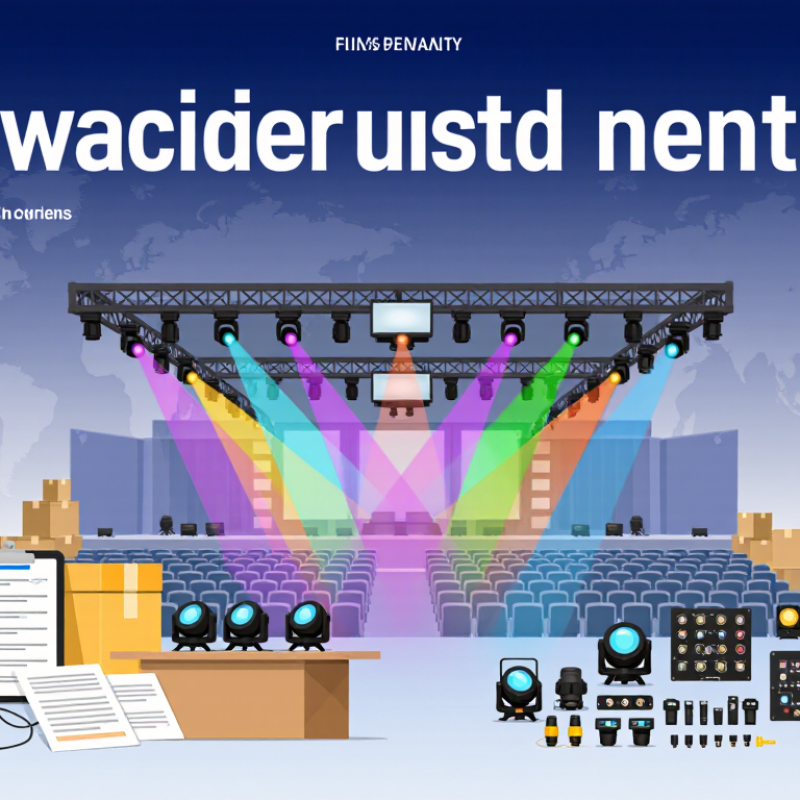
Choosing stage lights starts with the fixture type, not the price. Moving heads suit concerts and events requiring fast position changes. Fresnels create soft, adjustable washes for theatre and speaking areas. PAR fixtures provide broad color coverage, but their beam control can be limited. Profile fixtures deliver sharper edges for logos, performers, or scenic details.
Beam angle must match the venue’s distance and mounting height. A 15-degree beam can reach a performer from a high balcony without spreading too widely. A 40-degree beam works better for short throws and wider stage coverage. Measure the throw distance before ordering. That simple step prevents dark patches. I once saw a small room fitted with narrow beams, creating bright circles and distracting shadows.
Lumens describe output, but they do not tell the whole story. Compare lumen ratings at similar beam angles and color settings. A light with high output may still look weak through haze or colored filters. CCT affects atmosphere and skin appearance. Warm 2,700–3,200K tones feel intimate, while 4,000–5,600K appears cleaner and more neutral. Mixed CCT can make faces look inconsistent. It happens easily. Test several fixtures together on a real stage, using the venue’s curtains, walls, and control system. Specifications matter, yet practical testing often reveals the inconvenient details.
Define fixture types, beam angles, lumens, and CCT for your venue
The chart compares representative midpoints for common professional LED stage fixtures. Use lumens to estimate brightness, beam angle to match the coverage area, and correlated color temperature (CCT) to coordinate the visual mood. Narrow beams suit focused key lighting, while wider beams are better for washes and large scenic areas. Actual performance varies with optics, distance, color mode, and manufacturer specifications.
Global buyers should verify DMX512-A claims at the fixture level, not only in brochures. One DMX universe carries up to 512 data slots. However, a fixture using 12 channels consumes 12 of them. The advertised capacity is not always the usable capacity.
Ask suppliers for a channel map, start-address range, and a live console test. Set every channel, including dimmer, shutter, color, and movement functions. Confirm that values reach the final slot without flicker. A 120-ohm termination resistor should close the line. Keep cable runs practical, because poor wiring can create intermittent faults. I have seen systems pass a desk test and fail after several fixtures were daisy-chained. That detail matters.
RDM compatibility requires more than a printed logo. ANSI E1.20 defines bidirectional communication for discovery, addressing, status checks, and selected configuration tasks. Test discovery with several fixtures connected. Verify unique UIDs, remote addressing, sensor feedback, and recovery after a cable is reconnected. Some products support DMX data but offer limited RDM functions. Request the supported parameter list in writing. Grand View Research’s 2024 stage-lighting outlook estimates the global market at roughly US$1.7 billion in 2023, with continued growth toward 2030. Mordor Intelligence also identifies networked control and intelligent fixtures as major demand areas. That trend increases the value of reliable RDM, but compatibility still needs physical proof. A short factory video is helpful, yet an independent acceptance test is safer.
When buying stage lights, global buyers often begin with CRI Ra ≥80. It is a useful minimum, but it does not show the complete color picture. CRI mainly compares selected color samples against a reference source. A fixture can pass Ra 80 while rendering some stage fabrics or skin tones poorly.
TM-30-18 gives a broader evaluation. Its Rf value describes color fidelity, while Rg indicates average color saturation. Look for both results, not one impressive number. I prefer requesting a complete TM-30-18 report, including the color vector graphic, test illuminant, and correlated color temperature. Independent laboratory data is more dependable than a short sales claim.
Check the light at working brightness. Dimmed output can shift color, increase flicker, or reveal uneven skin tones on camera. Test red costumes, blue gels, metallic surfaces, and neutral faces before ordering. A sample unit helps. It may also expose weaknesses that specifications hide. Confirm voltage, frequency, dimming method, warranty terms, and photometric files for your region. I once saw a high-CRI fixture look excellent on paper but appear slightly green beside another unit. That experience changed my buying process: compare fixtures together, under the same camera and white-balance settings. A perfect number is not always a perfect stage image.
Match each stage light to its actual location, not only its product photograph. IEC 60529 IP ratings describe protection against solids and water. The first digit covers dust and particles. The second addresses moisture. An IP20 fixture may suit a dry indoor theatre, but it needs protection from rain, mist, and washdown.
For sheltered outdoor stages, IP44 can resist splashing water from several directions. It may fail under driving rain or poor drainage. IP65 offers dust-tight protection and resistance to water jets. IP66 handles stronger jets, while IP67 supports temporary immersion under defined test conditions. IP68 requires the supplier to state the tested depth and duration. Read the test report carefully. The label alone is not enough.
Think beyond the housing. Cable glands, connectors, vents, seals, and mounting angles can change real protection. A downward-facing fixture may shed rain better than one facing upward. Salt air, condensation, heat, and ultraviolet exposure also affect long-term reliability. IP testing does not automatically cover impact, corrosion, or thermal performance. That is an easy mistake.
Ask for IEC 60529 test evidence, operating limits, and maintenance guidance. Confirm whether the rating applies during operation, transport, or only laboratory testing. After installation, inspect seals and connectors before every outdoor event. A high IP number cannot repair a damaged gasket or an open cable entry. I would rather choose a lower-rated fixture in a genuinely protected indoor position than trust an unsuitable outdoor specification.
When comparing stage lights across borders, flicker deserves more attention than brightness.
A fixture may look smooth to the eye but create dark bands on camera. Test it with the cameras used in your venue. Check several dimming levels, refresh rates, and shutter angles. Do not rely on a supplier’s single video sample. Real testing is less convenient, but it exposes problems early.
Certifications should match the destination market and the product’s actual electrical configuration.
Ask for current test reports, not only printed logos or general declarations. Verify the rated voltage, plug type, electromagnetic compatibility, and safety documentation. A reliable supplier should explain these documents clearly. Warranty terms also need close reading. Confirm coverage length, excluded parts, repair procedures, response times, and shipping responsibility. A long warranty can still be weak if critical components are excluded. Read the small clauses.
Cost per 10,000 hours gives buyers a more practical comparison than purchase price alone.
Use this calculation: purchase cost plus estimated electricity and maintenance, divided by expected operating hours, then multiplied by 10,000.
Include lamp or LED replacement, cleaning, labor, and possible downtime. For example, a cheaper fixture may consume more power or require frequent service. I once underestimated labor costs because the quotation listed parts but not technician time. That mistake changed the real budget. Leave room for uncertain repairs. Efficiency matters, but stable output, safe operation, and dependable support may matter more over a busy production season.
Moving heads suit concerts and events needing fast position changes. Fresnels create soft washes for theatre and speaking areas. PAR fixtures provide broad color coverage. Profile fixtures create sharper edges for logos, performers, and scenic details. Test the room first.
Measure the distance from the fixture to the stage. A 15-degree beam suits long throws from high balconies. A 40-degree beam works better for short distances and wider coverage. Narrow beams can create bright circles and distracting shadows.
No. Compare lumen ratings at similar beam angles and color settings. Haze, filters, walls, and curtains can change the apparent brightness. A high-output fixture may still look weak in actual use. Numbers need context.
Warm 2,700–3,200K lighting feels intimate and gentle. Neutral 4,000–5,600K lighting appears cleaner. Mixed CCT can make faces look inconsistent. Test several fixtures together on the real stage. Faces reveal mistakes quickly.
CRI Ra ≥80 is a useful minimum, but it is not a complete answer. Review TM-30-18 values, including Rf and Rg. Request the color vector graphic and test illuminant. One impressive number can still hide weak skin tones.
Test red costumes, blue gels, metallic surfaces, and neutral faces. Check performance at normal and dimmed brightness. Compare fixtures under identical camera and white-balance settings. A sample unit helps. It may reveal green shifts or uneven tones.
Test the fixture with the cameras used in your venue. Check multiple dimming levels, refresh rates, and shutter angles. Watch for dark bands in recorded footage. A light can appear smooth to your eyes but flicker on camera.
Confirm current safety and electromagnetic compatibility documents for the destination market. Verify voltage, frequency, plug type, and electrical configuration. Read warranty exclusions, repair procedures, response times, and shipping responsibilities. Small clauses matter. I once overlooked labor coverage.
Calculate purchase cost, electricity, maintenance, replacement parts, labor, and possible downtime. Divide the estimated total by expected operating hours. Multiply the result by 10,000 hours. A cheaper fixture may consume more power. My budget estimates can still be imperfect.
Choosing the right Stage Lights requires more than comparing brightness or price. Global buyers should first define the venue’s fixture types, beam angles, lumen output, and correlated color temperature (CCT) to ensure suitable coverage and atmosphere. Control compatibility is also essential: verify DMX512-A support, its 512-channel capacity, and RDM compatibility for remote configuration and monitoring. For professional color quality, compare CRI Ra ≥80 with TM-30-18 results, including fidelity and gamut indicators, rather than relying on a single specification.
Environmental performance should match the installation site. IEC 60529 IP ratings help determine whether fixtures are appropriate for dry indoor spaces, humid areas, or outdoor stages. Buyers should also evaluate flicker performance for cameras and live broadcasts, review relevant safety and electrical certifications, and examine warranty terms. Finally, calculate the total cost over 10,000 operating hours, including energy use, maintenance, and replacement needs. This broader assessment supports reliable performance, consistent lighting quality, and better long-term value.

Xiaosan Light