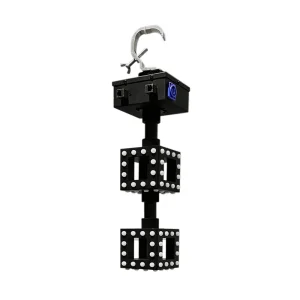
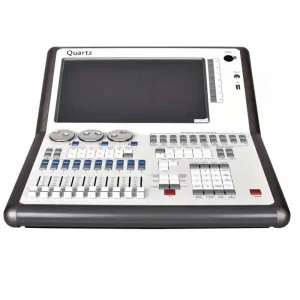
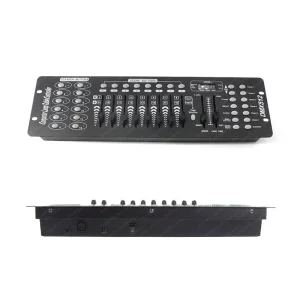
Explore our state-of-the-art stage kinetics, addressable arrays, and control equipment tailored for international buyers.
In modern stage architecture, night clubs, and experiential retail design, lighting is no longer static. It is dynamic, sculptural, and addressable. Pixel lighting, characterized by individual control over every light-emitting element, represents the vanguard of this transformation. As professional system integrators, lighting designers, and global procurement departments seek to construct immersive environments, they face the dual challenge of finding robust manufacturing infrastructure and flexible OEM solutions. We dive deep into the technical paradigms, quality criteria, and supply-chain logistics that define leading pixel lighting factories today.
The core of any high-performance pixel light lies in its integrated circuit (IC) protocol and signal distribution framework. OEM pixel lighting factories prioritize engineering architectures that minimize latency and shield against signal interference. The choice of chipsets determines system capabilities:
Additionally, high PWM (Pulse Width Modulation) refresh rates—typically above 3,840 Hz—are critical to eliminate flicker during high-definition television broadcasts and social media recording. This makes pixel installations friendly to camera lenses in high-tier clubs and professional television studios.
Companies Served
Countries Exported
Factory Area
Product Warranty
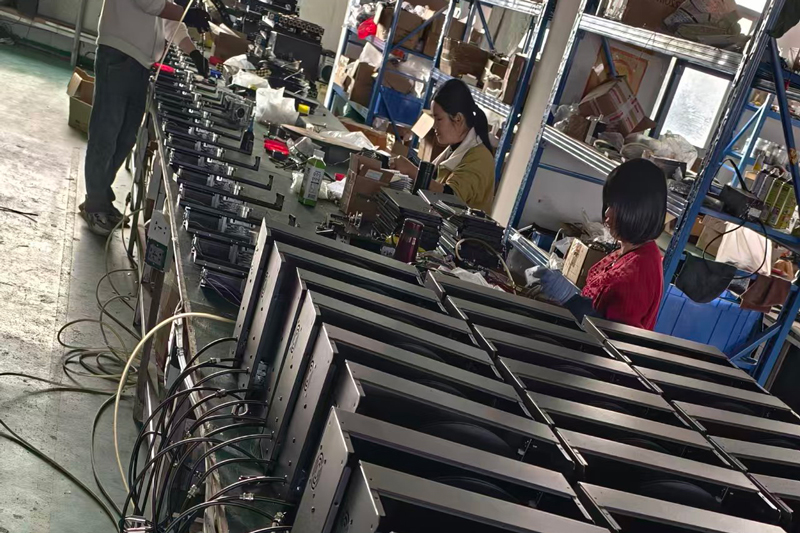
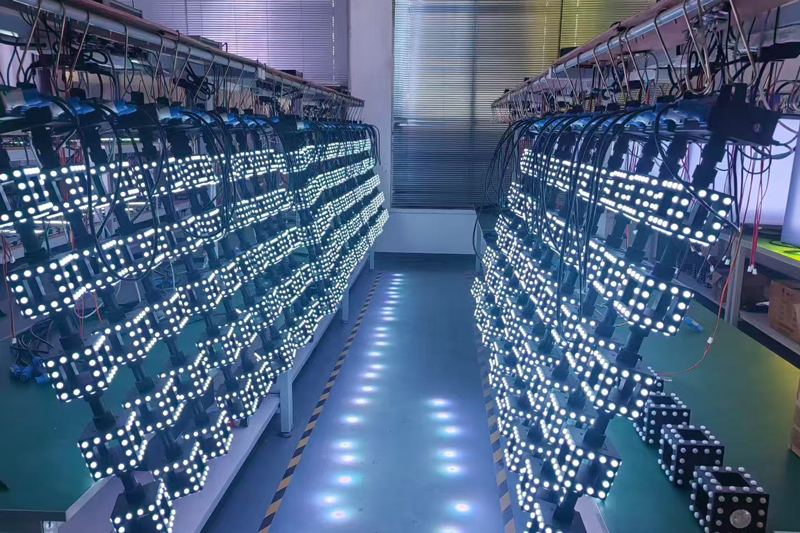
Guangdong Province stands as the epicenter of global LED manufacturing, boasting an unmatched micro-supply chain. At a modern factory, the journey of an OEM pixel lighting product relies on rigorous automated assembly and testing. The manufacturing sequence includes:
This ecosystem guarantees rapid prototyping, seamless customization, and volume scalability, allowing factories to go from initial concept sketches to production within weeks.
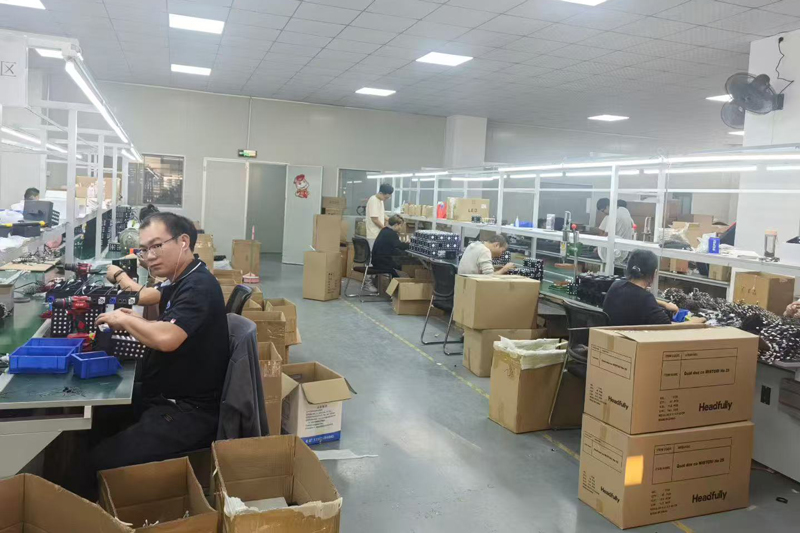
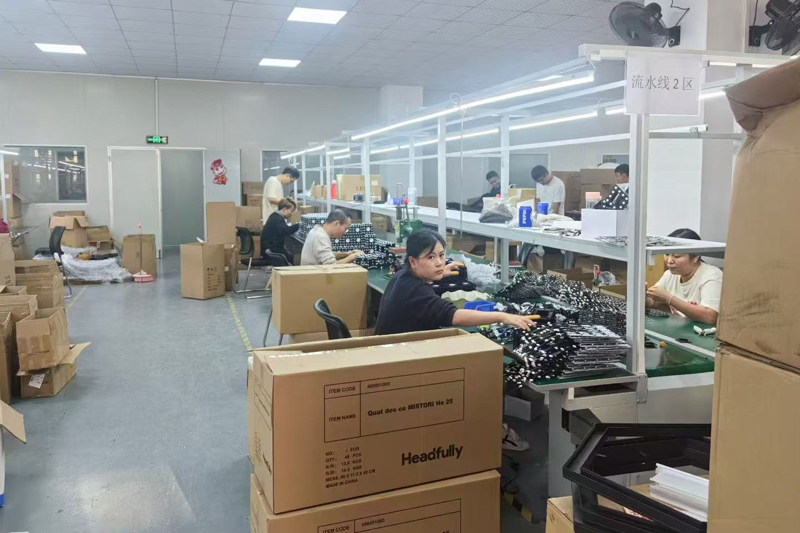
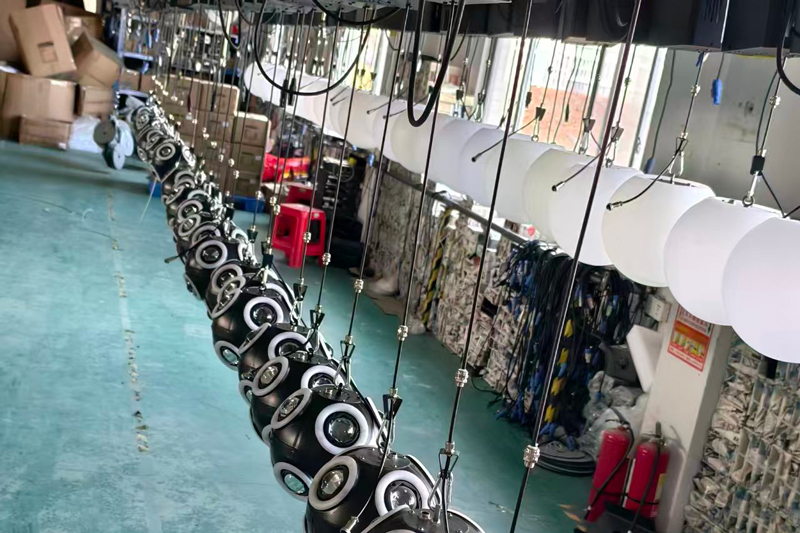
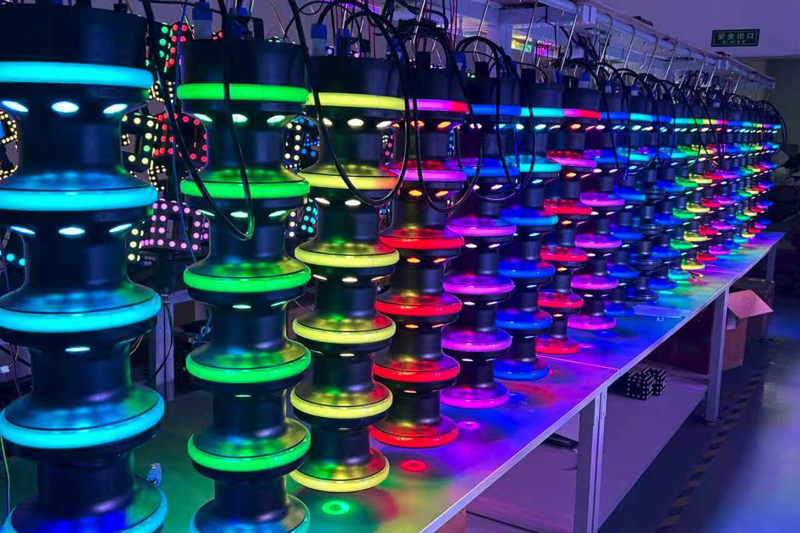
Experience the operational excellence of Xiaosan. A look into our factory in Guangdong, featuring advanced testing and assembly lines.
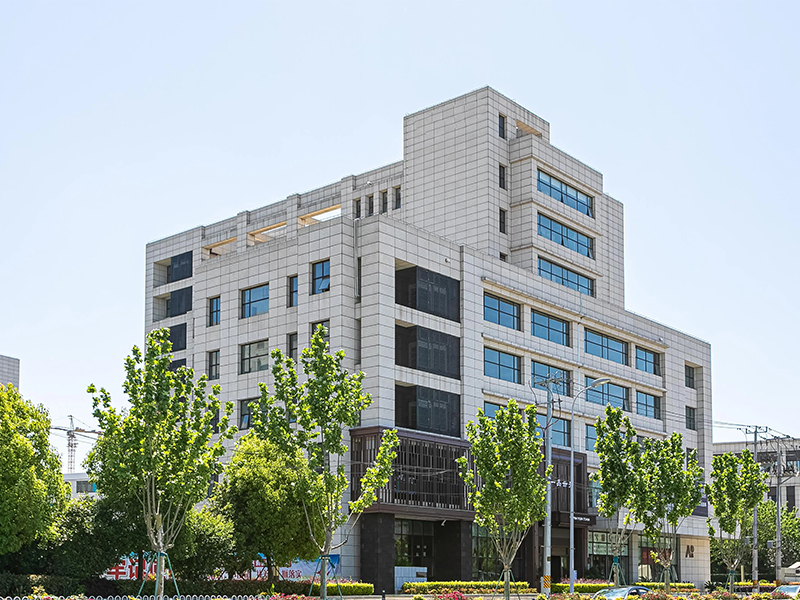
Xiaosan, created by Mrs Ami Q and her husband Mr. Ahren Z, was founded in 2019. Situated in the heart of Guangdong Province, we are a professional manufacturing hub specializing in LED lighting solutions tailored for nightclubs, festivals, DJ discos, and architectural entertainment venues. Our primary goal is to empower designers by bridging the gap between raw technology and immersive visual experiences.
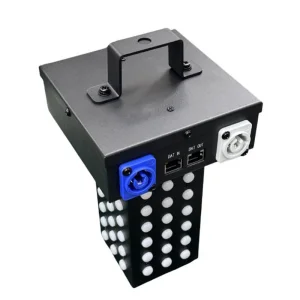
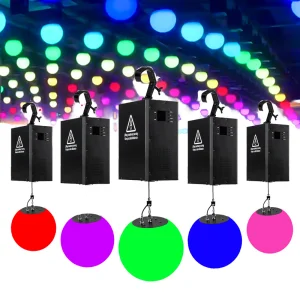
Spanning a dedicated area of 1,000 square meters, our facility houses 30 experienced lighting professionals. Our engineering, R&D, and quality control departments work in tandem to ensure that every fixture adheres to strict international criteria. From lifting spherical lights to multi-dimensional 3D effect setups, we deliver structural reliability and visual fidelity.
Purchasing agents and project managers working for global entertainment groups, theme parks, and architectural firms assess lighting partners through strict compliance frameworks. High-level installations demand certifications that confirm electrical safety, electromagnetism compatibility, and eco-friendly manufacturing:
Compliance with CE, RoHS, and FCC regulations. We design our driver circuits to manage thermal loads and prevent electromagnetic interference in large setups.
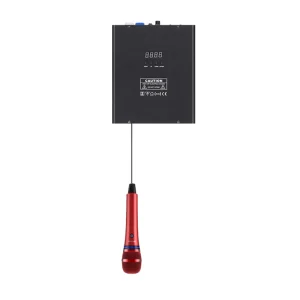
Crucial for Kinetic lighting winches. Precise weight capacity, motor torque calculations, dynamic braking, and emergency stop features prevent failures during shows.
We use high-conductivity aluminum casings and advanced ventilation strategies to lower junction temperature and extend the life of high-power LED arrays.
OEM factories do not just produce catalog items; they engineer tailored macro solutions. By combining kinetic winches, pixel matrices, and control systems, we target specific high-performance environments:
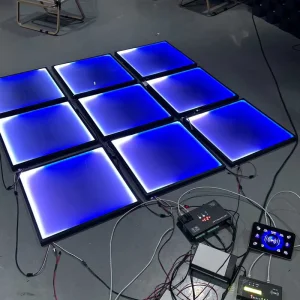
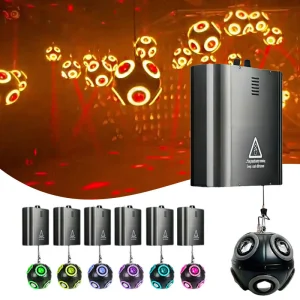
Clubs require 3D arrays and kinetic light systems (such as lifting balls or dynamic panels) to reshape spatial dimensions. Using high-speed DMX motor controllers linked with media servers (like Madrix or Resolume), designers sync lights with visual content and real-time audio analysis.
Touring demands modular, rugged, and lightweight fixtures that can handle rapid assembly and teardown. Carbon-fiber composites, toolless locking mechanisms, and combined power/data cables (IP65 rated) reduce setup times and trucking weight, lowering overall tour budgets.
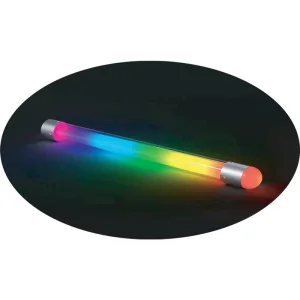
Building facades require linear pixel tubes, mesh screens, or point sources that resist weather, UV radiation, and thermal expansion. Integrated surge protection (typically up to 10kV) shielding control units against lightning strikes is vital for long-term outdoor operation.
The pixel lighting sector is moving toward deeper system integration and sustainable operations. As we plan for 2025 and beyond, key shifts will shape product design:
Answers to technical and commercial questions frequently raised by lighting designers and procurement managers.
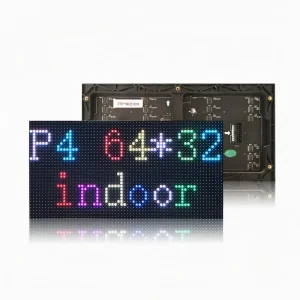
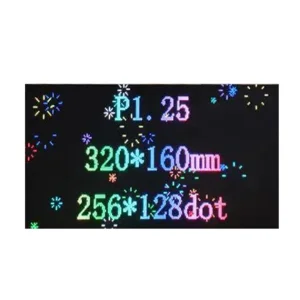
Browse our range of programmable control desks, indoor display panels, and specialized light components.
 Xiaosan Light