Discover our core architectural and entertainment lighting fixtures designed for complex lighting layouts.
Modern commercial architecture, high-end entertainment hubs, and massive event venues no longer view lighting as a mere utility. Instead, architectural engineering and lighting layout designs have transitioned into high-performance mediums that dictate human emotion, consumer behavior, and operational efficiency. In the global commercial sphere, a lighting layout acts as the structural blueprint for illumination, outlining how light fixtures are physically arranged, electronically controlled, and systemically integrated into spaces.
Today, the global lighting design market faces major transformations driven by smart-city initiatives, the rise of immersive hospitality venues (KTV, stadiums, nightclubs, live events), and strict energy mandates. Engineering layout blueprints must factor in specific metrics such as Unified Glare Rating (UGR), average lux levels, thermodynamic dissipation, and architectural geometry. Designing layouts that incorporate kinetic movement, intelligent DMX programming, and ultra-high-definition LED panels requires close collaboration between spatial designers, mechanical engineers, and original equipment manufacturers (OEMs).
Information Gain Concept: High-performance spaces require synchronized hardware. When executing a lighting layout, mechanical engineering must work in tandem with control protocol architecture to avoid signal latencies and structural stress, particularly in kinetic lighting configurations where physical motion occurs above crowds.
For international projects across North America, Europe, and Asia-Pacific, procurement managers and project electrical engineers must navigate rigorous standards. Layout designs must map light distribution patterns using Photometric IES files, ensuring that spacing-to-mounting-height ratios avoid uneven dark zones. Furthermore, high-power setups require structural verification for ceiling loads, thermal optimization to ensure diode longevity, and clean DMX wiring schematics to prevent electrical interference.
Precise calculation of candela distribution and lux outputs across specific 3D spatial grids to meet strict building codes.
Mapping complex DMX512, Art-Net, or sACN layouts to manage signal routing and refresh rates across kinetic winches and dynamic LED panels.
Ensuring kinetic winch dynamic loading capacities comply with safety coefficients to safeguard public spaces.
How local integration and raw engineering capacity drive cost-effective lighting layout execution.
Established in 2019 by co-founders Mrs. Ami Q and her husband Mr. Ahren Z, Xiaosan (operating out of the global lighting capital of Guangdong Province, China) has established itself as an engineering-focused OEM/ODM manufacturing force. Over the years, Xiaosan has specialized in designing, engineering, and commissioning integrated led lighting layouts for nightclubs, DJ disco bars, and large-scale entertainment and hospitality projects globally.
Operating a modernized, 1,000-square-meter manufacturing plant and staffed by 30 lighting specialists, Xiaosan delivers deep research and development, custom rapid prototyping, and end-to-end site installation/commissioning solutions. From kinetic winch systems to fine-pitch LED display modules, our products undergo strict quality checks to ensure long-term dependability under challenging operational environments.
By leveraging Guangdong’s component ecosystem, Xiaosan bridges the gap between complex architectural blueprints and finished, reliable hardware. This enables us to provide comprehensive design services, 3D simulation mappings, and professional marketing support to over 30,000 partners worldwide, including Global 500 companies.
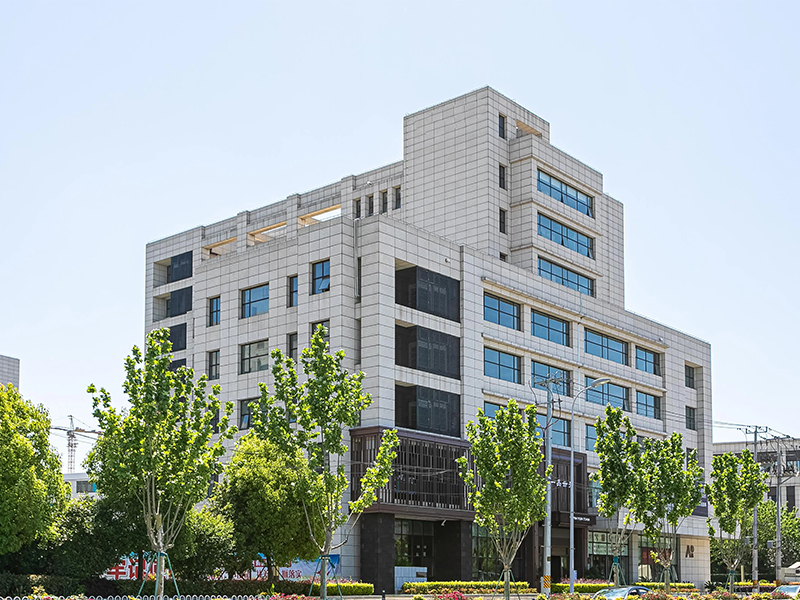
Implementing an OEM lighting layout requires adaptations depending on local architectural styles, functional criteria, and regional safety protocols. Below, we examine the primary scenarios where custom layout planning and product integration are critical:
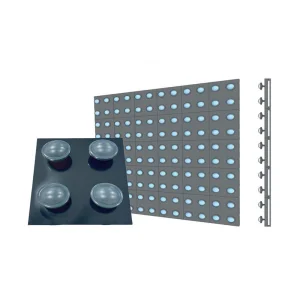
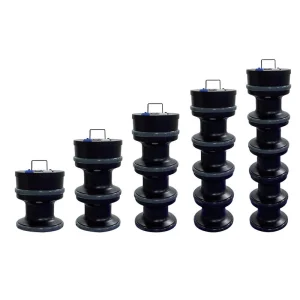
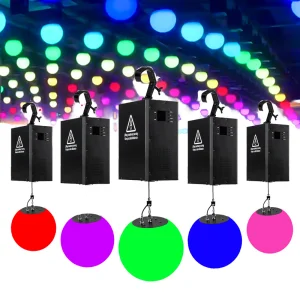
In modern high-capacity venues, flat, static lighting is being replaced by dynamic, multi-dimensional installations. Layouts here rely on a blend of kinetic winches (such as the OEM LED Kinetic Light RGBW DMX Stage Equipment), 3D matrix bamboo lighting structures, and customized UFO fixtures. Spacing, ceiling load distributions, and system redundancies must be modeled in advanced CAD and lighting layout tools to prevent installation interference and ensure smooth dynamic effects.
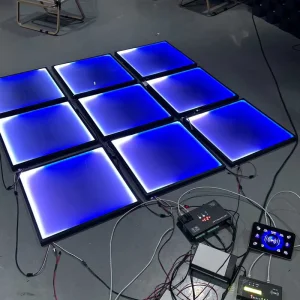
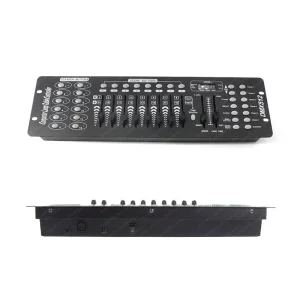
Event lighting demands rapid setup times, modular versatility, and reliable control protocols. Layout solutions must incorporate highly adaptable kinetic structures and quick-splicing LED panels. Using DIY DMX elevating lights allows stage crews to change configuration profiles rapidly between shows. Signal stability over long cables is critical, requiring professional-grade DMX master consoles and opto-isolated splitters to manage signals across multiple universes without dropouts.
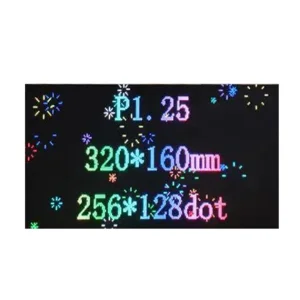
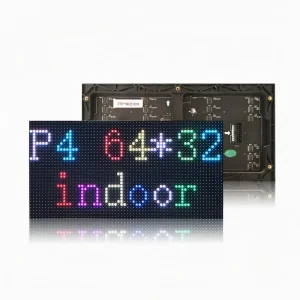
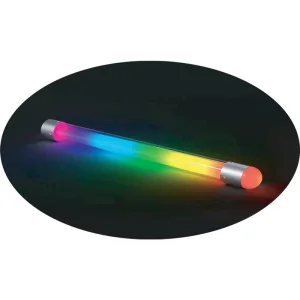
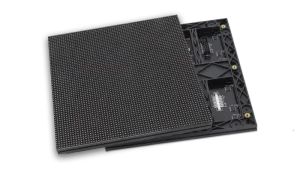
In retail displays, exhibition halls, and private KTV rooms, lighting must align with branding and interior aesthetics. Layouts in these settings often utilize modular LED modules (such as P1.25, P3, and P4 indoor modules) to create customized digital canvases, paired with cloud tube lights or 3D corn lights for ambient depth. The focus here is on high color rendering index (CRI), consistent color temperatures, and low electromagnetic noise to avoid interference with sound systems.
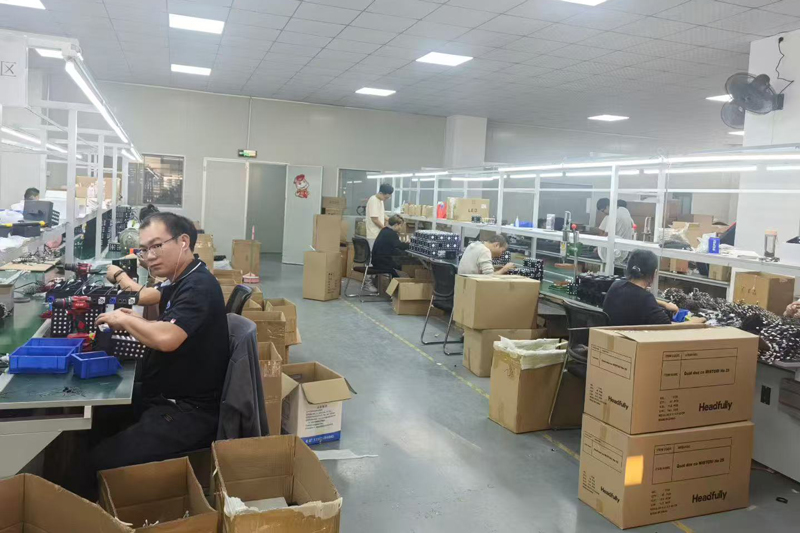
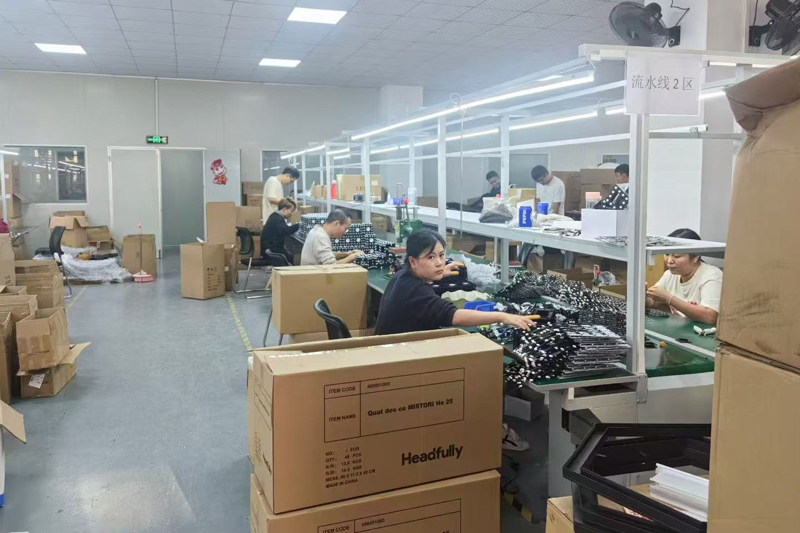
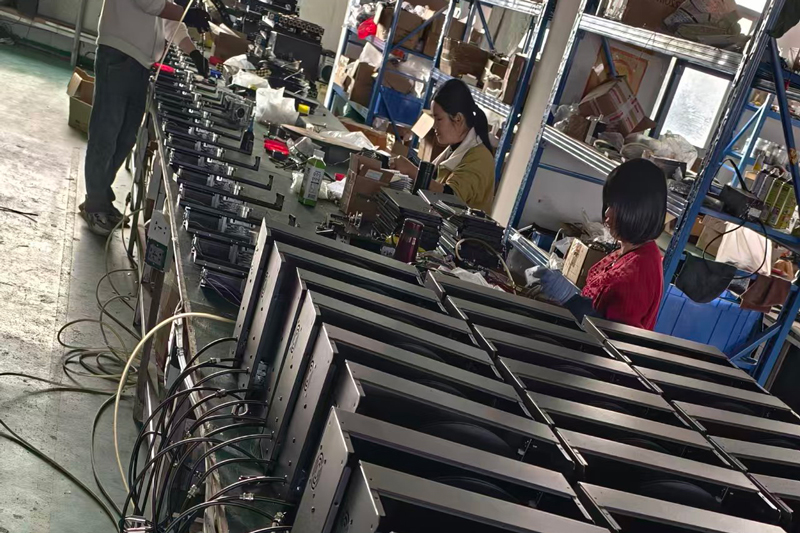
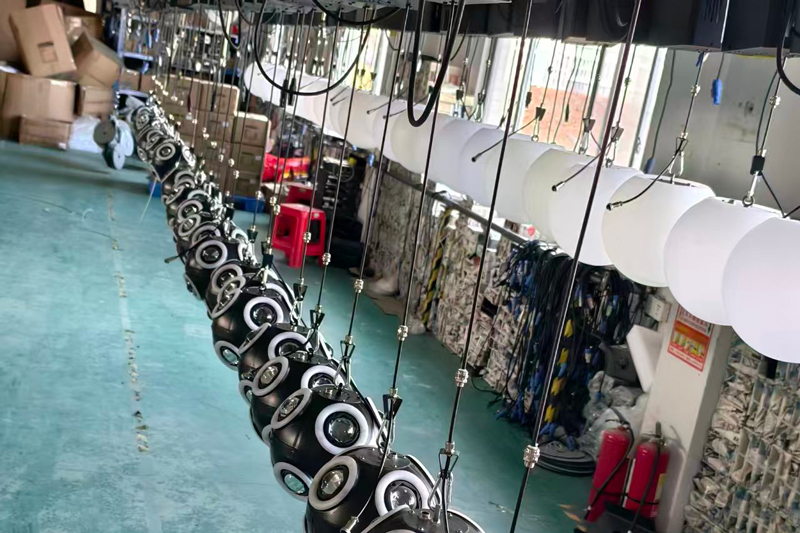
We invite you to tour our manufacturing floors where custom projects are designed, engineered, and run through continuous testing before shipping globally.
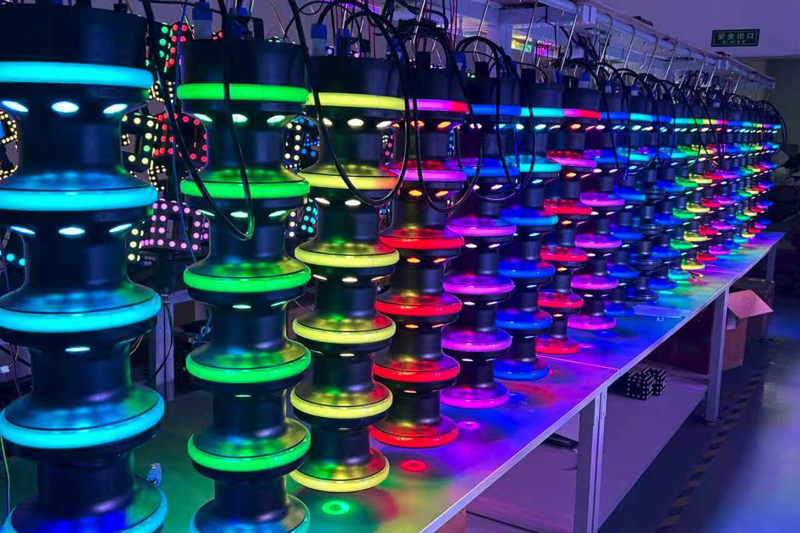
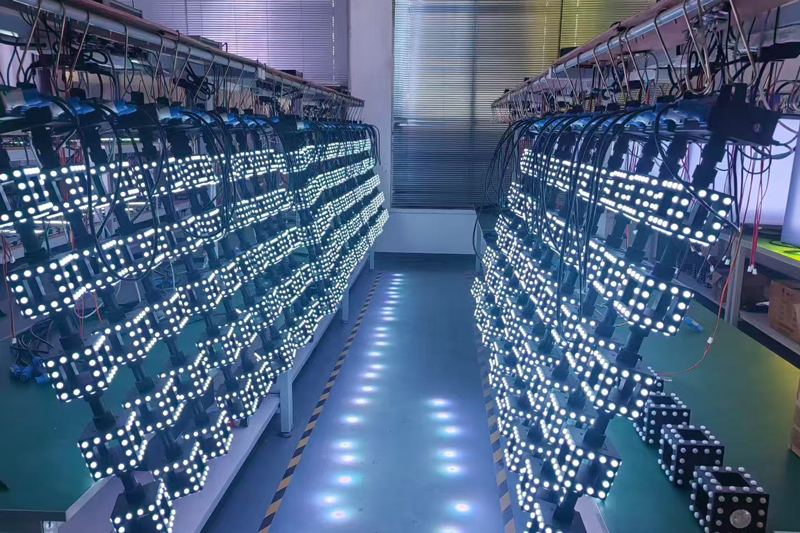
The global commercial lighting sector is moving toward deeper automation. Key trends shaping our product development include:
Get professional insights on lighting layouts, OEM engineering, and system integration.
The process begins with digital spatial mapping using 3D modeling and photometric software. Designers calculate lux requirements and spacing configurations, match them with appropriate LED fixtures or kinetic systems, and layout control systems. Physical prototype validation and quality testing ensure the setup meets technical requirements before final factory production.
Static installations focus primarily on routing power and signal data for color, zoom, and orientation. Kinetic setups require dual-layer control layouts: one handling the light source properties and the other managing the electric winches. Spacing must be planned to accommodate safe movement distances, with DMX channels precisely mapped to keep motor movements and lighting effects synchronized.
High-density displays feature a smaller pixel pitch, which delivers sharper images and high visual clarity even at close viewing distances. This makes them ideal for modern clubs, control centers, and high-end retail designs where displays need to merge seamlessly with ambient lighting layouts.
Every kinetic lighting component undergoes structural analysis. Our winches feature integrated safety locks, automatic drop prevention mechanisms, and electronic overload sensors. We run all systems through continuous load-testing protocols prior to packaging and shipment.
Yes, our fixtures are designed to support standard DMX512 communication protocols. This allows our equipment to integrate smoothly with third-party lighting desks, media servers, and software control systems used on site.
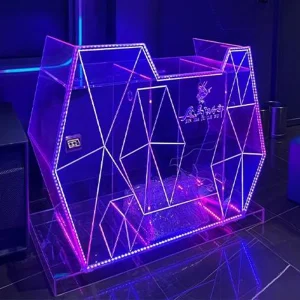
Expand your layout options with our specialized entertainment furniture and control interfaces.
 Xiaosan Light