 Xiaosan Light
White Paper: The Future of Light In Art & Industrial Manufacturing
Understanding the Nexus of Photometry, User Psychology, and Global Supply Chain Agility
1. The Evolution of "Light In Art" in the 21st Century
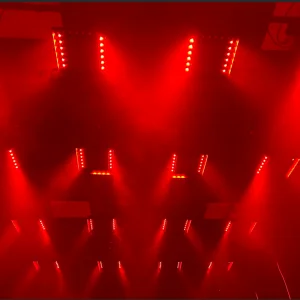
Lighting has transcended its traditional role as a mere functional utility. In the contemporary architectural and entertainment landscape, "Light In Art" represents a sophisticated fusion of physics, digital art, and emotional engineering. As an OEM Light In Art Factory, we observe a paradigm shift where lighting is no longer static; it is kinetic, responsive, and deeply integrated into the "Experiential Economy." The demand for immersive environments in nightclubs, concert halls, and public installations has driven factories to innovate beyond simple lumen output to complex DMX-controlled kinetic movements and 3D volumetric effects.
Immersive Environments
Creation of 360-degree sensory experiences using pixel-mapped arrays and volumetric lighting that redefine physical spaces.
Kinetic Dynamics
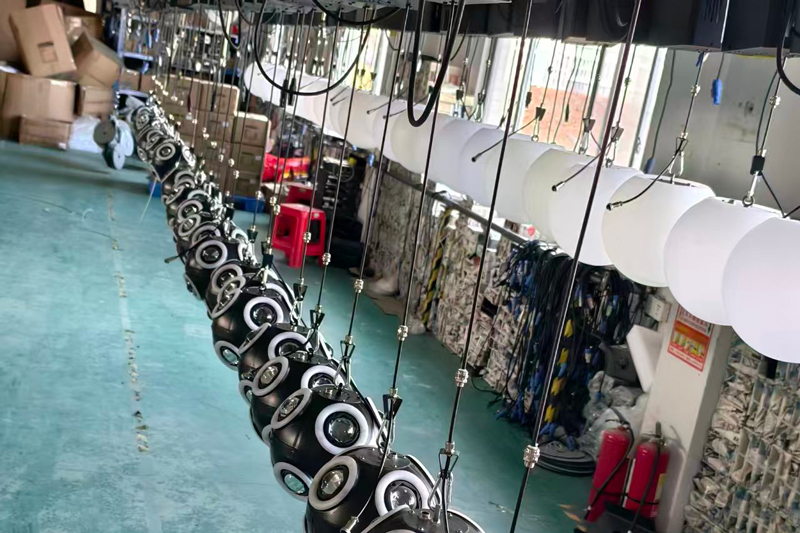
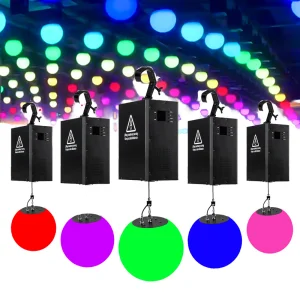
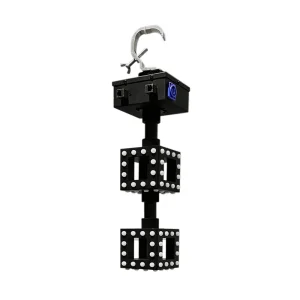
Integration of precision winches and DMX-controlled motors to move light sources in physical space, creating "living" sculptures.
AI-Integrated Control
Predictive lighting adjustments and sound-to-light algorithms that react in real-time to human behavior and music tempo.
2. Global Procurement Trends: From Mass Production to Bespoke Engineering
Modern global enterprises—from luxury hotel chains to international event organizers—are moving away from generic, off-the-shelf lighting. The current procurement trend emphasizes customization and information gain. Buyers are looking for partners who can offer more than just a product; they seek technical consultation, 3D visualization, and hardware that supports evolving software ecosystems like Madrix or MA Lighting. The demand for Kinetic Light systems has grown by 40% year-over-year in the Middle East and Southeast Asian markets, reflecting a global desire for "spectacle" lighting.
3. China Industry 4.0: The Xiaosan Advantage in Supply Chain Resilience
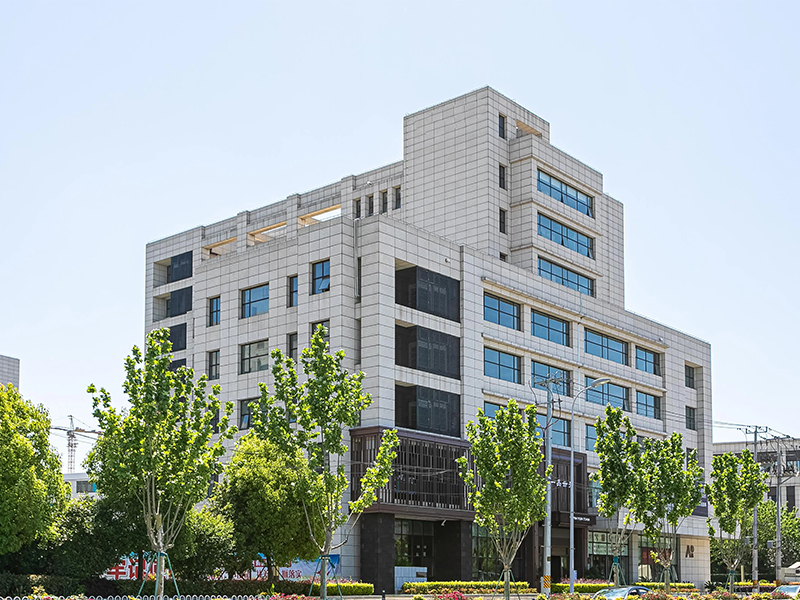
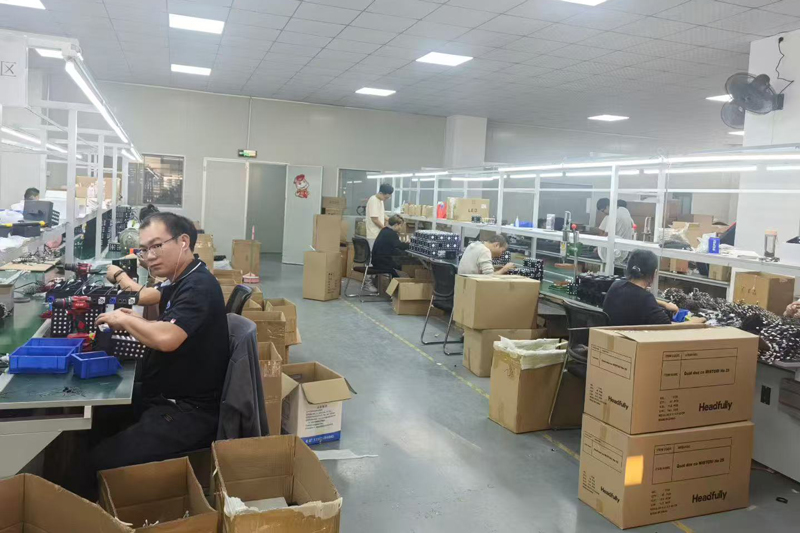
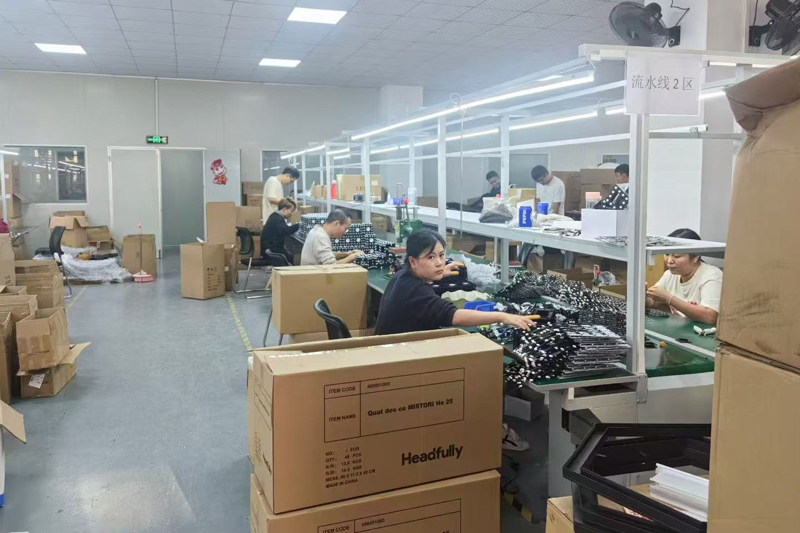
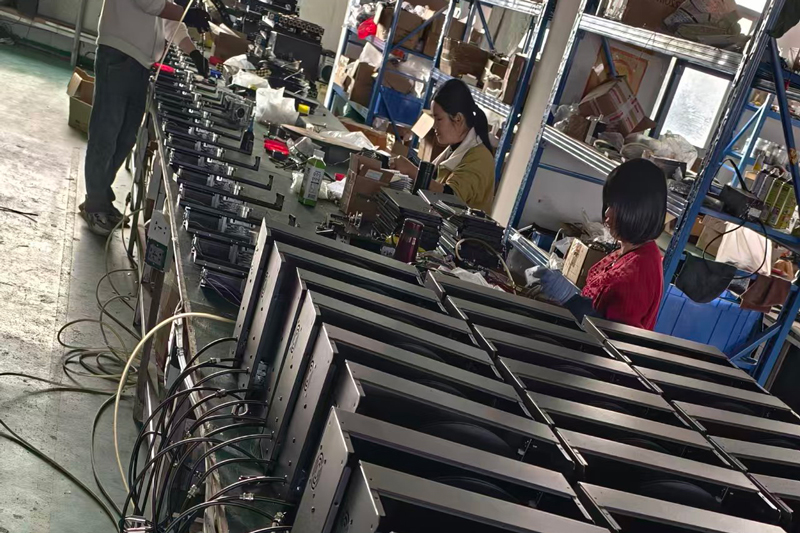
Located in the heart of Guangdong, Xiaosan (founded by Mrs. Ami Q and Mr. Ahren Z) epitomizes the "China Factory 4.0" model. Our 1000-square-meter facility is not just a production floor; it is a hub of Supply Chain Resilience. By integrating R&D with rapid prototyping, we reduce lead times by 30% compared to traditional manufacturers. Our team of 30 specialized experts utilizes advanced production equipment to ensure every Kinetic winch and LED module meets rigorous global safety and performance standards.
Global Companies Served
Countries Exported
Industry-Leading Warranty
Expert Support
4. Global Commercial & Industrial Status
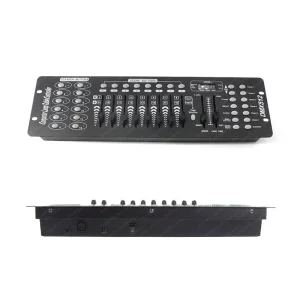
The industrial lighting sector is currently navigating a period of high technological inflation. However, Chinese factories have maintained a competitive edge through Efficiency Advantages. While Western markets focus heavily on branding, the "OEM Light In Art Factory" sector in China has mastered the art of balancing high-end specs (CRI >95, precise DMX refresh rates) with cost-effective manufacturing. This makes China the undeniable leader in the production of 3D effect lights, LED dance floors, and professional stage beam consoles.
5. Localized Application Scenarios: Where Art Meets Light
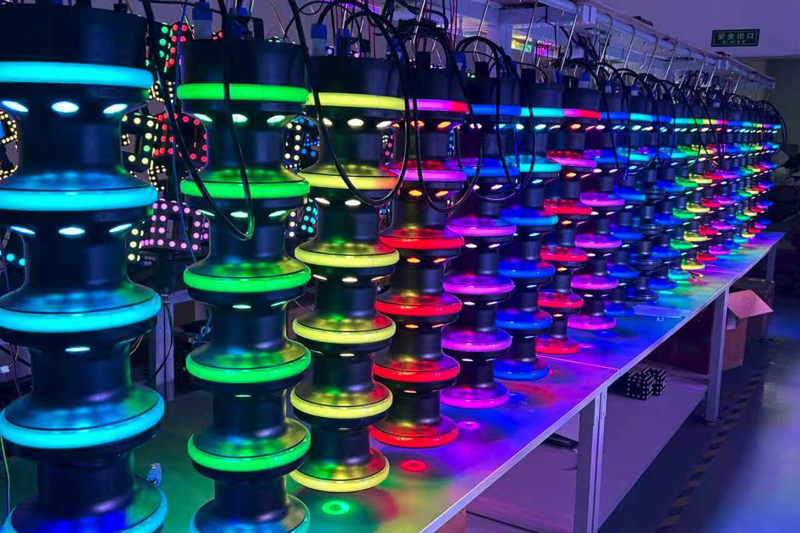
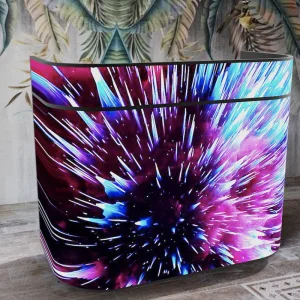
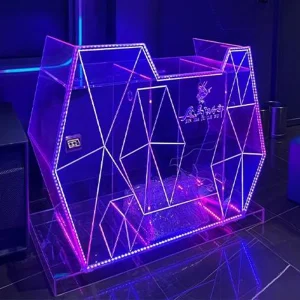
- Nightclubs & Disco: High-frequency pixel UFO bars and 3D corn lights create a high-energy, futuristic atmosphere that drives customer retention.
- Wedding & Concert Events: Elevating DIY lights and Kinetic spheres provide the "wow factor" necessary for high-value event production.
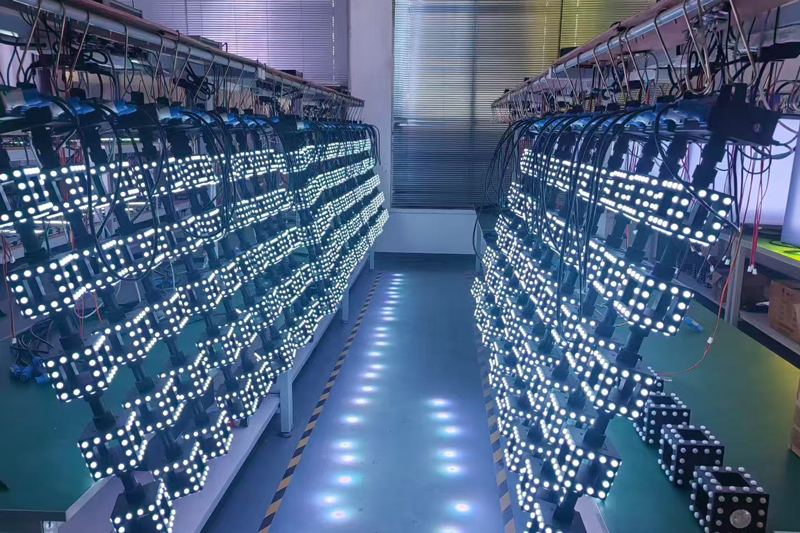
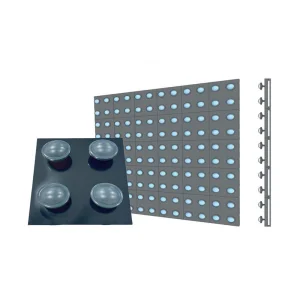
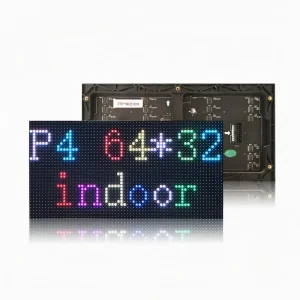
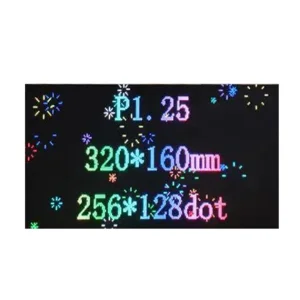
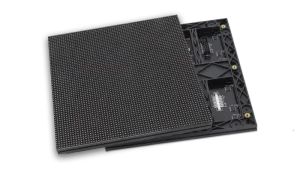
- Architectural Displays: P4 and P1.25 LED modules are utilized for both indoor media facades and high-resolution information hubs in corporate lobbies.
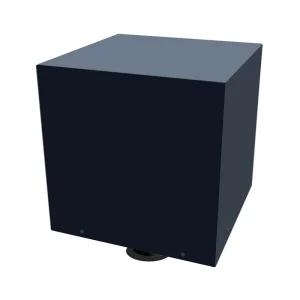
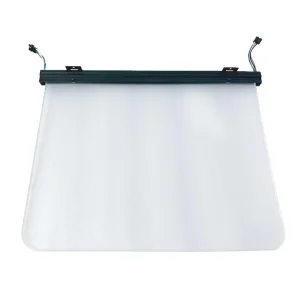
- Retail Experience Centers: Smart Rubik's Cube pixel lights and transparent acrylic guide lights enhance brand storytelling in physical retail spaces.