Explore our elite selection of commercial-grade LED systems, kinetic winches, and video display modules designed to revolutionize nightclubs, concerts, and architectural spaces.
In the modern entertainment landscape, visual dynamics dictate consumer engagement and brand prestige. The integration of high-performance stage lighting is no longer just about illumination; it is about creating spatial narratives. The global market demand for Wholesale Dance Light Suppliers has expanded beyond standard club setups to multi-sensory environment design, incorporating advanced structural mechanics, digital control systems, and robust semiconductor technologies.
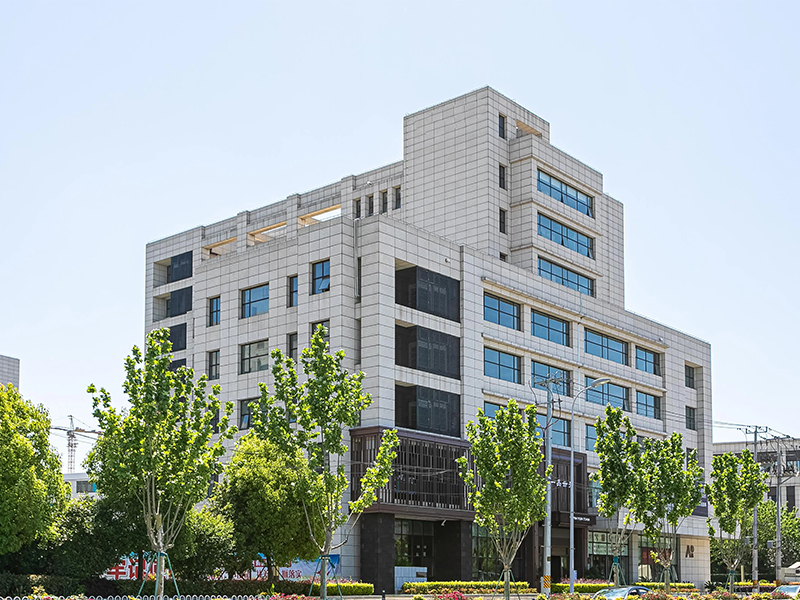
As a leading pioneer established in 2019, Xiaosan (founded by Mrs. Ami Q and Mr. Ahren Z in Guangdong) has continuously pushed the envelope of stage design. Operating from our state-of-the-art 1,000 square meter factory, our organization merges research and development, aesthetic engineering, and systemic installation protocols to serve the global entertainment ecosystem.
From lifting spherical fixtures to intricate pixel-mapped arrays, we deliver high-reliability, low-latency stage equipment engineered to endure rigorous operational profiles while delivering spectacular luminous efficacy.
The technological forces shaping the future of global dance light manufacturing and architecture.
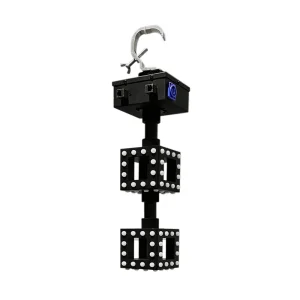
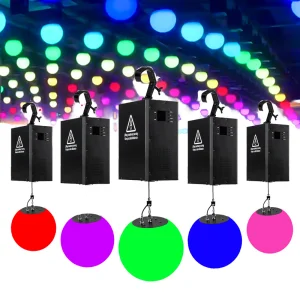
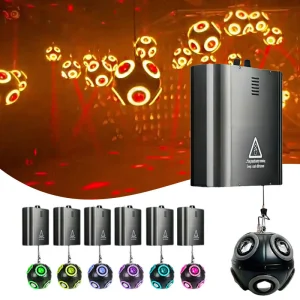
Precision vertical lift motors paired with DMX-controlled lighting elements create dynamic, fluid geometric configurations suspended in three-dimensional space.
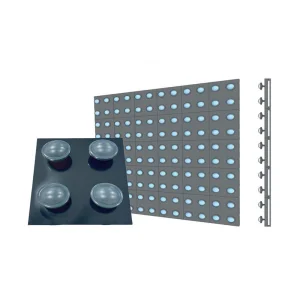
Transitioning from block light panels to individually addressable pixel control, allowing complex video streams and color gradients to render smoothly across physical matrices.
Zero-latency algorithmic integration between audio signals and lighting control consoles to generate organic, real-time responses to acoustic shifts.
How our advanced manufacturing framework in Guangdong ensures quality, scaling capability, and delivery consistency.
Global procurement of complex electronic systems like stage fixtures requires more than just low-cost components. Modern procurement agencies demand supply chain resilience, structural material tracking, and rigorous testing protocols to prevent on-site failures during high-stakes commercial events.
At Xiaosan, we leverage Guangdong’s unique industrial concentration to achieve maximum production efficiency. Our factory incorporates Factory 4.0 manufacturing processes. Each step—from the raw printed circuit board (PCB) assembly to automated light-intensity profiling—is monitored. Our R&D team works closely with logistics partners to ensure international compliance standards are met.
Furthermore, to assure our wholesale partners and institutional clients of maximum operational lifespans, we back every lighting system with a comprehensive three-year warranty. This safety net guarantees that our stage lights, display modules, and moving controllers perform reliably, year after year.
Analyzing the deployment of modern light systems across diverse public and commercial landscapes.
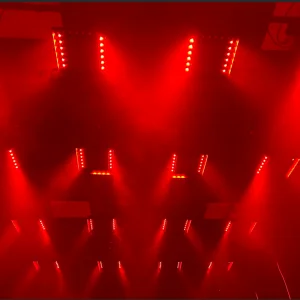
In venues characterized by high vibrations, intense temperature shifts, and prolonged operational cycles, lighting components must support active heat dissipation and structural stability. The implementation of Kinetic RGBW winches and UFO lighting modules allows clubs to transition dynamically between atmospheric ambient patterns and intense strobe segments.
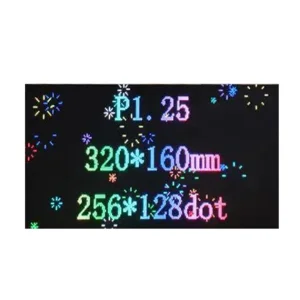
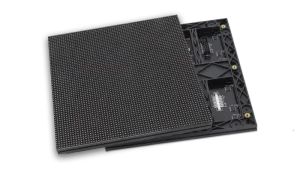
Here, color accuracy and high-resolution imaging take precedence. Display equipment such as the P1.25 and P3 LED modules ensure that brand assets are rendered with precise color values, eliminating chromatic aberration and screen flickering under live broadcast cameras.
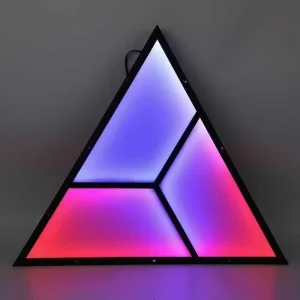
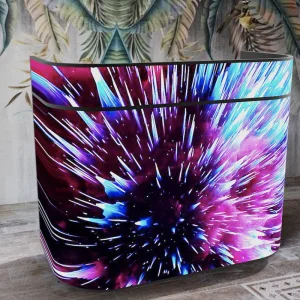
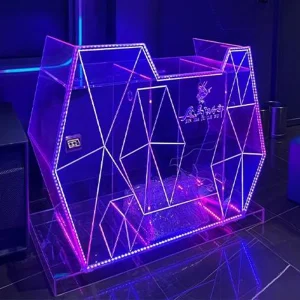
From acrylic DJ desks utilizing localized LED mapping to geometric lighting blocks, modern designers are turning furniture into active dynamic nodes. This integration creates cohesive spaces where architecture and entertainment design blend seamlessly.
Inside the production facility in Guangdong, where precision engineering meets innovative industrial design.
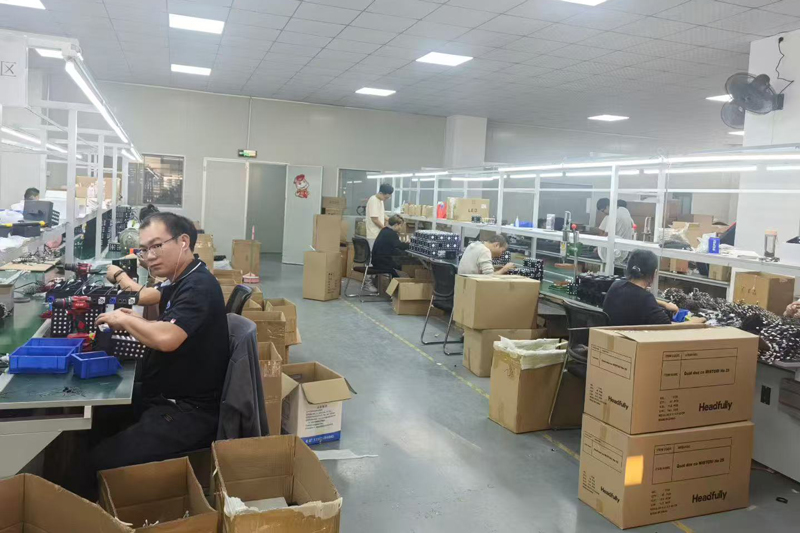
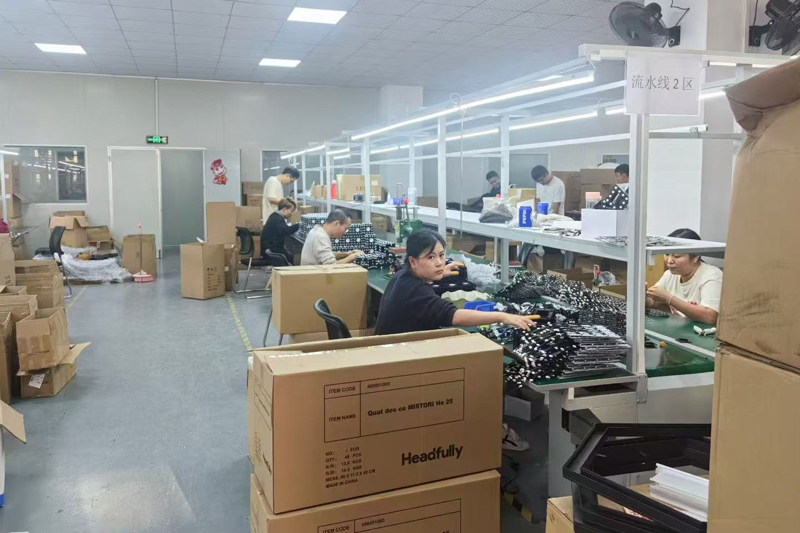
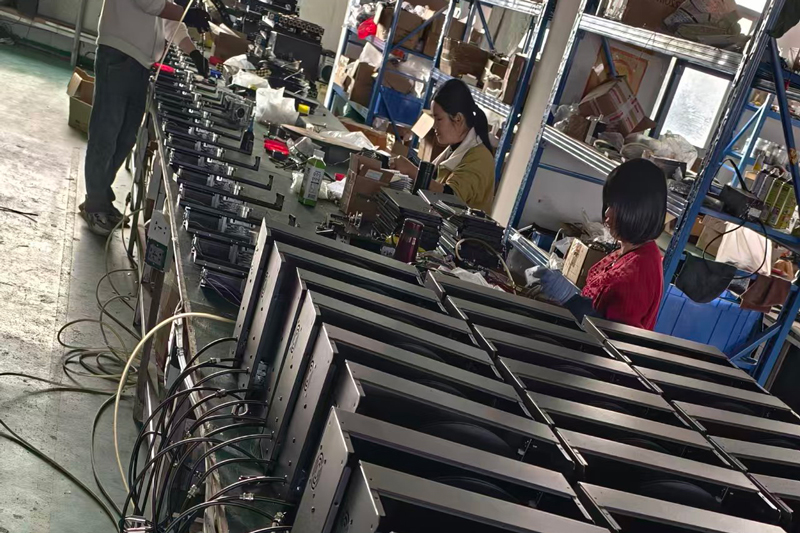
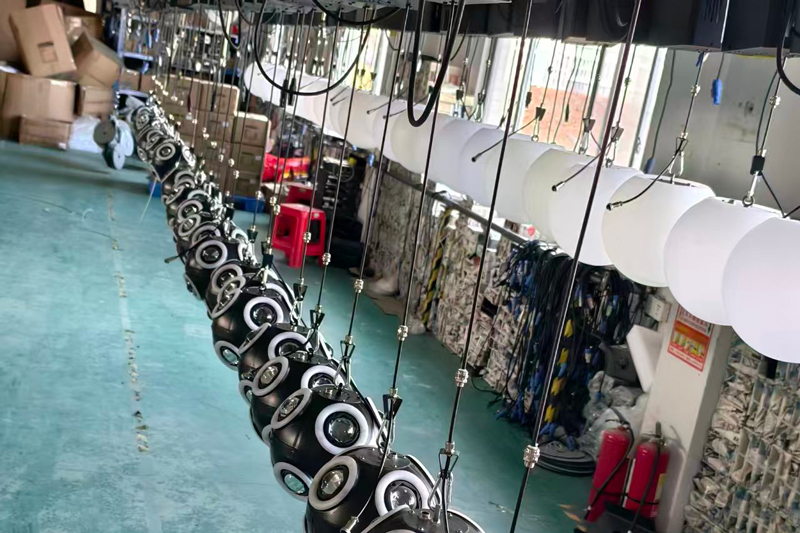
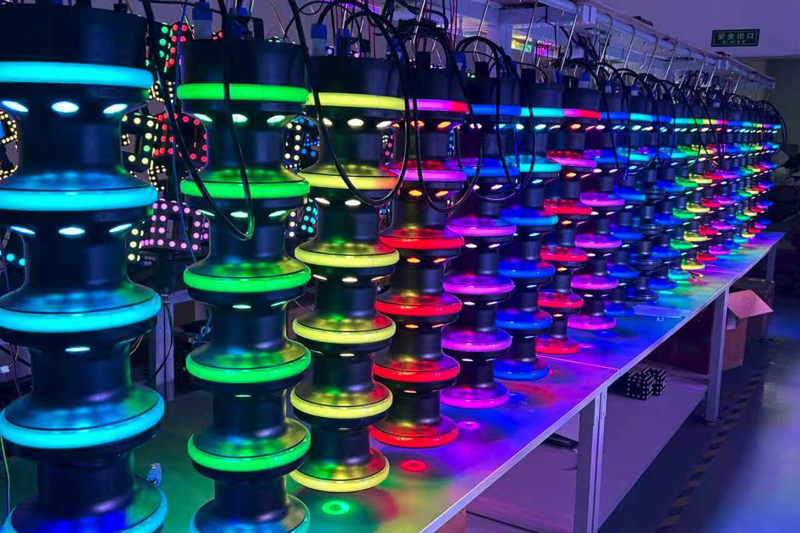
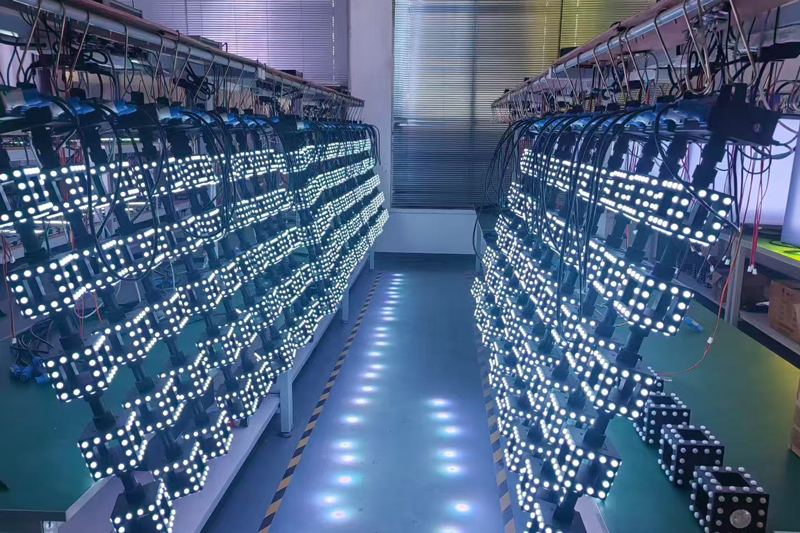
For stage lighting designers and engineering procurement professionals, understanding the underlying transmission protocols and mechanical systems of active fixtures is critical. Modern stage configurations rely on digital lighting control mechanisms that mandate micro-precise coordination between signals, power systems, and physical rigging units.
The classic DMX512-A protocol, operating over EIA-485 physical links, has long been the backbone of stage entertainment lighting. Each physical universe of DMX consists of 512 channels, with each channel managing values from 0 to 255 (representing brightness, color saturation, motor panning, or strobe speed).
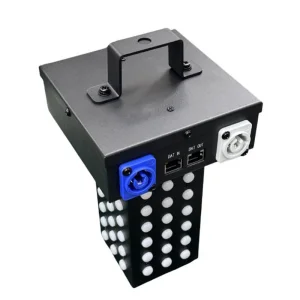
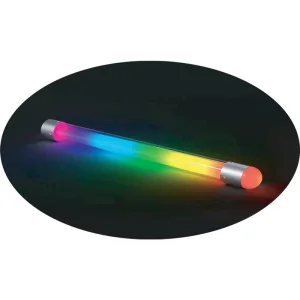
However, in large-scale designs incorporating high-density LED pixel installations (such as our Pixel UFO Bar Lights or Smart Rubik's Cube Pixel Lights), a single fixture can consume hundreds of channels. This has driven the industry toward Ethernet-based protocols:
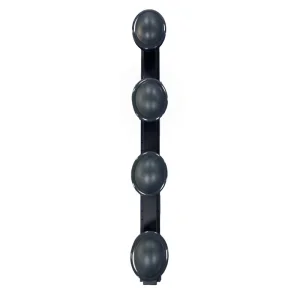
Kinetic lighting represents the intersection of physics, structural engineering, and light design. System components like the OEM LED Kinetic Ball Light or the RGBW DMX Winch depend on high-performance motor control boards and safe structural suspension rigs:
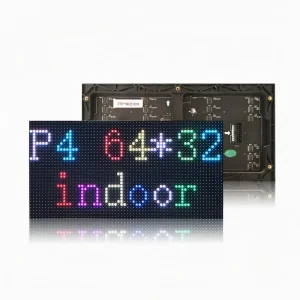
Selecting high-density LED displays (such as the P1.25, P3, or P4 Indoor LED Modules) requires a technical evaluation of pixel pitch, refresh rates, and drive IC configurations.
Technical and logistics answers for procurement specialists and venue operators.
At Xiaosan, all our main products (including kinetic winches, pixel bars, and LED display modules) come with an industry-leading three-year warranty. We also provide long-term technical consultation and replacement parts support to ensure continuous operation for commercial venues.
Each winch is equipped with dedicated physical and electrical safety triggers. The mechanical components have an 8:1 weight load rating, meaning they can support weights far beyond their standard load capacity. Additionally, each device undergoes a 48-hour continuous stress test before packaging and shipping.
Yes. Xiaosan operates a full custom development service. Our R&D team works with venue layout plans, creating custom 3D layout visual projections, signal wiring diagrams, and tailor-made brackets or fixture housings to match your aesthetic specifications.
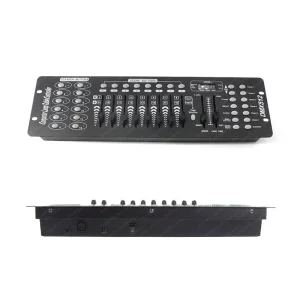
Our fixtures run on standard, open DMX-512 and Art-Net signal pathways. They are fully compatible with industry-standard consoles, including grandMA, Avolites, ChamSys, Onyx, and various computer-based controllers like Madrix (specifically for pixel mapping).
Discover additional components from our wholesale production lines, built to meet stringent international quality certifications.
 Xiaosan Light