 Xiaosan Light

Whitepaper: Modern Lighting Control Architectures for Kenya's Commercial & Stage Sectors
As East Africa's leading financial and economic hub, Kenya is experiencing an unprecedented surge in commercial development, urban entertainment complexes, modern corporate event production, and large-scale architectural lighting initiatives. This comprehensive whitepaper provides an expert-level technological analysis of lighting control infrastructures, DMX512 integration protocols, and LED display installations tailored for Kenyan venue operators, electrical engineers, and commercial procurement departments.
1. The Evolution of Entertainment, Stage, and Commercial Systems in Kenya
The commercial lighting footprint in metropolitan areas like Nairobi (including the bustling zones of Westlands, Kilimani, and Mombasa Road) and coastal tourism centers like Nyali, Diani, and Malindi is shifting from static, high-power-consumption setups to intelligent, dynamic control environments. Historically, performance spaces and corporate auditoriums in Kenya relied on manual analog switchboards and non-addressable lighting loops, which limited artistic expression, increased maintenance overheads, and consumed substantial energy.
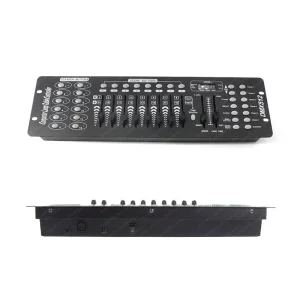
Today, the integration of advanced DMX512 consoles, Art-Net nodes, and software-mapped matrix control platforms (such as Madrix and Resolume) has redefined what is possible. From mega-churches in Nairobi hosting televised live broadcasts to boutique resorts in Mombasa requiring synchronized architectural facade shows, the demand is clear: robust, heat-resilient, and surge-protected master controllers that can handle complex multi-universe configurations.
Nairobi Urban Nightlife Expansion
Modern clubs, lounges, and live venues on Electric Avenue and across Lang'ata require flexible DMX-compatible configurations to support rapidly changing theme nights and live DJ performances.
East African Event Tourism
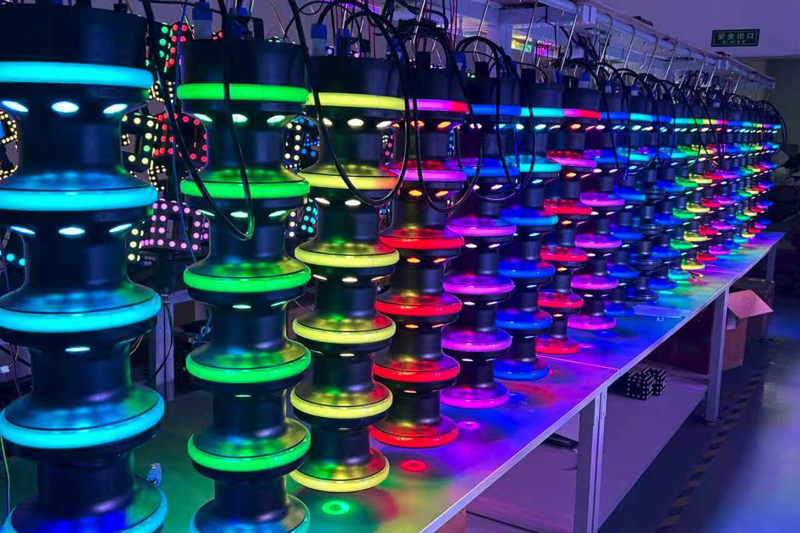
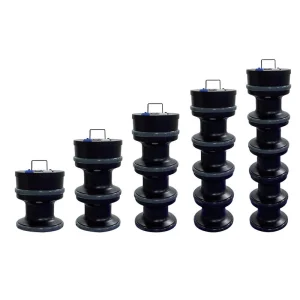
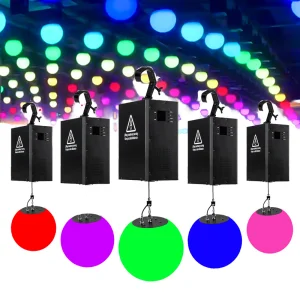
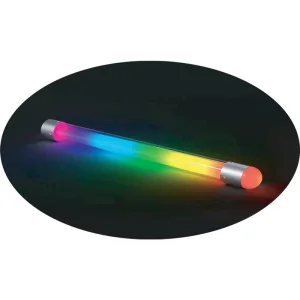
Mombasa and Kisumu coastal resorts utilize weatherized kinetic winches and 3D pixel tubes to attract corporate events, local festivals, and destination weddings, raising the bar for lighting aesthetics.
Religious & Institutional Auditoriums
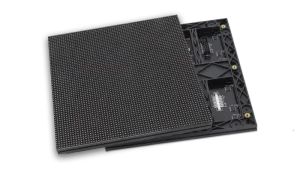
Modern churches and assembly halls are investing heavily in broadcast-grade LED video walls and stage lighting, demanding controllers with high refresh rates to prevent on-camera flickering.
2. Technical Deep-Dive: DMX512, Art-Net, sACN, and Madrix online Systems
For procurement managers and systems integrators in Kenya, selecting the correct control protocol is vital to avoiding project failure. Below is an engineering overview of the primary technologies:
- DMX512-A Protocol: The industry standard for digital control networks. Running over RS-485 serial communication, a single universe supports up to 512 channels. It is highly reliable for running stage lights, par lights, and simple moving head fixtures over long cable runs when paired with active DMX signal amplifiers (opto-isolators).
- Art-Net & sACN (Streaming ACN): When scaling up to massive installations—such as 3D kinetic lighting matrices or high-density pixel mapping projects—traditional DMX cables hit their bandwidth limit. Art-Net converts DMX data into Ethernet packets, allowing thousands of universes to transmit over a single Cat6 network cable. sACN is similar but optimized for multicasting over massive network setups.
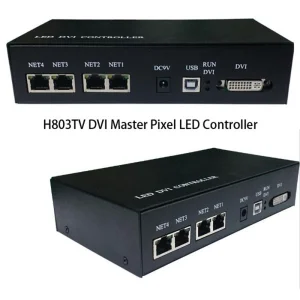
- Madrix Master Controllers (e.g., H803TV DVI/HDMI): Crucial for translating video signals from computers directly into pixel-level LED layouts. These online controllers grab visual feeds via DVI/HDMI and map them dynamically onto thousands of individual LED pixels, enabling real-time 3D fluid simulations and audio-reactive music effects.
3. Tackling Environmental and Electrical Infrastructure Challenges in Kenya
Deploying high-end electronics in Sub-Saharan Africa requires a deep understanding of local operating conditions. Unlike temperate assembly sites, installations in Kenya face unique challenges:
- Voltage Fluctuations and Surges: With power distribution lines prone to sudden brownouts and surges, standard control consoles can suffer component degradation. Factory-certified lighting systems must incorporate high-voltage isolation optocouplers at every output port. This prevents feedback from faulty power lines from frying the main processor of expensive consoles like the Quartz Tiger.
- High Heat and Humidity: Coastal installations in Mombasa and Malindi are exposed to high humidity levels and salty air, which accelerates component corrosion. Hardware controllers sourced for these regions should undergo conformal coating processes to shield their PCBs from ambient moisture.
- Signal Integrity Over Long Distances: Large resorts and outdoor stages often feature long runs between control booths and trusses. Without proper impedance matching (typically 120-ohm resistors) and high-quality shielded twisted-pair cables, digital signals decay, causing flickering and command loss.
4. The Manufacturing Edge: Sourcing directly from China (Guangdong Hub)
Sourcing stage and architectural controllers from a direct Chinese manufacturer like Xiaosan (located in Guangdong Province, the global epicenter of LED and optoelectronic manufacturing) presents massive advantages for African importers. The concentration of components, R&D expertise, and raw materials enables rapid production cycles and immediate custom engineering.
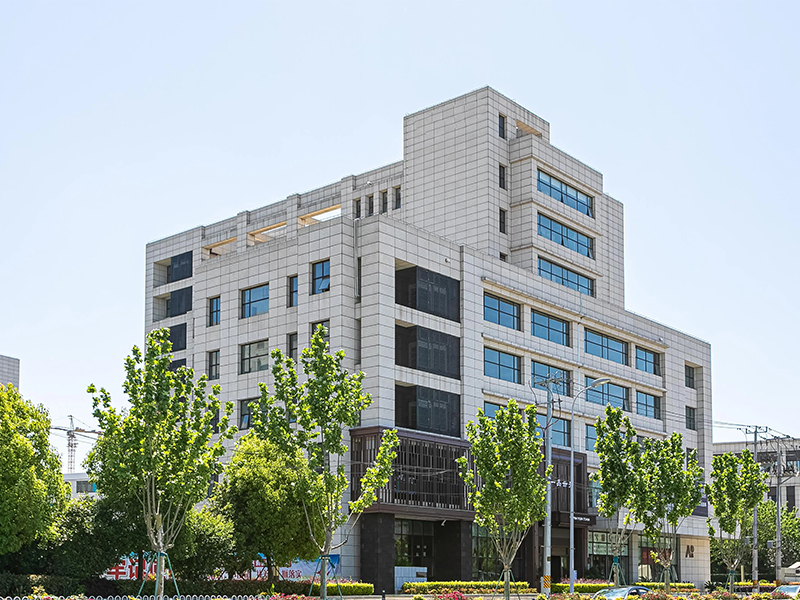
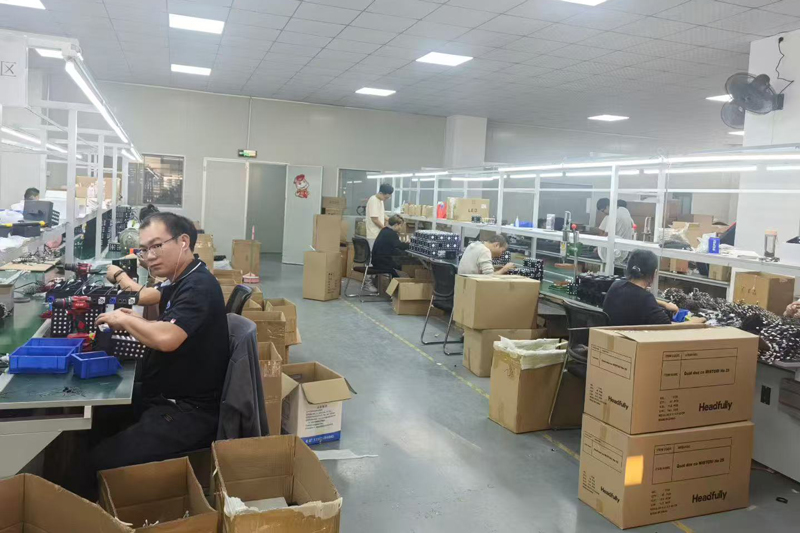
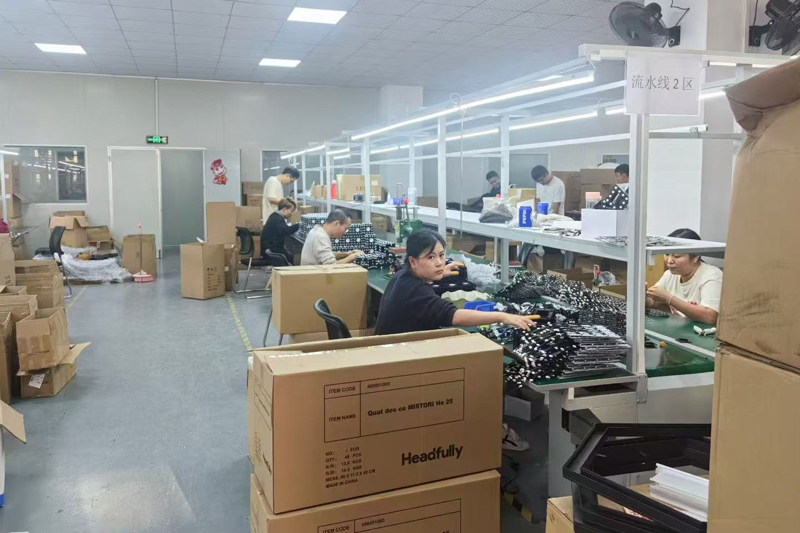
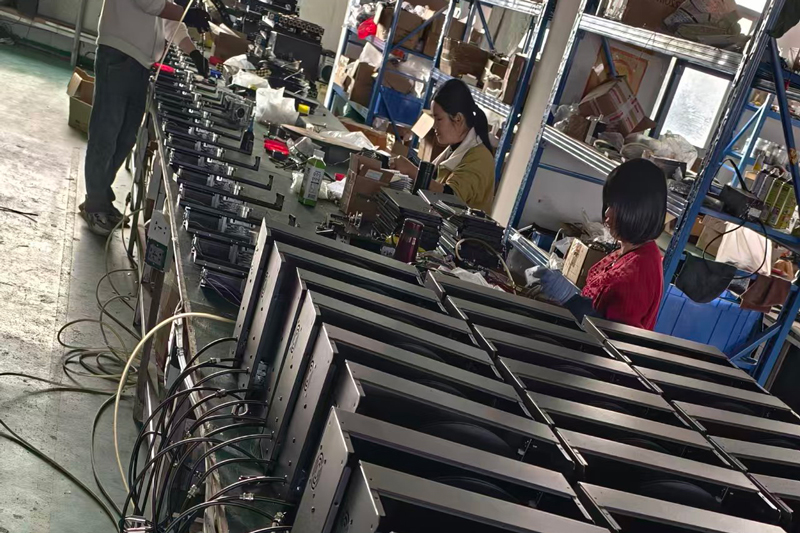
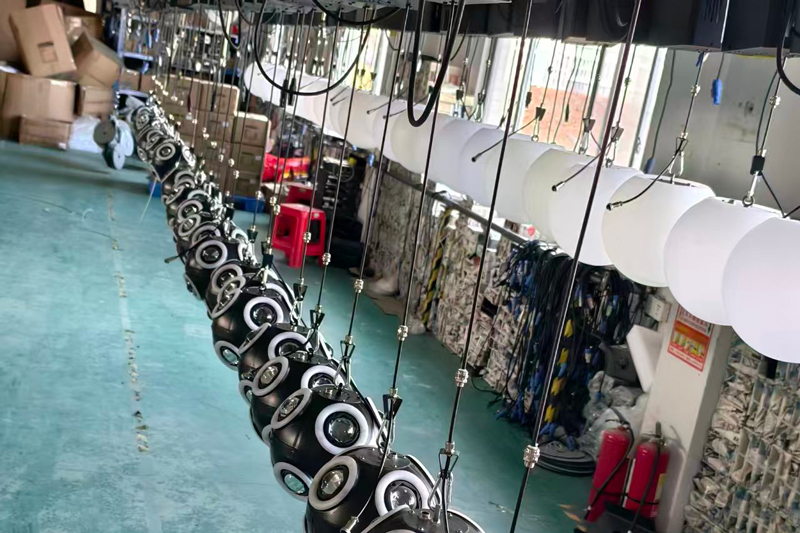
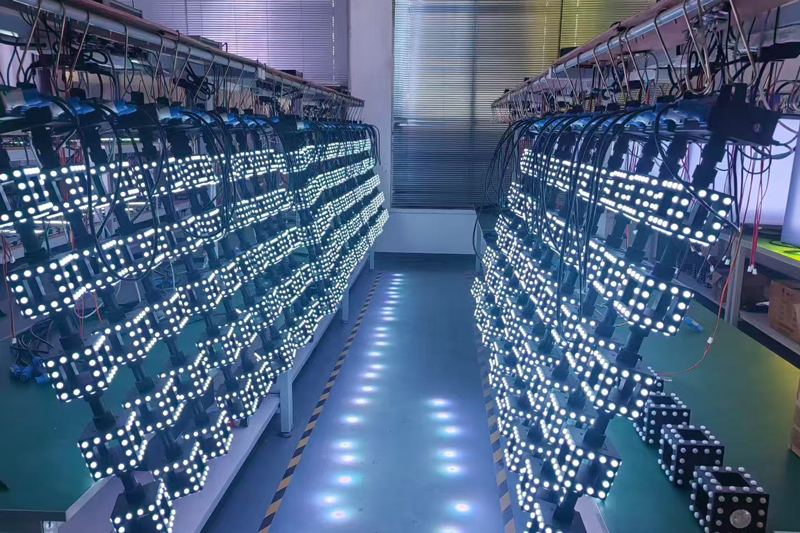
Our factory covers an area of 1,000 square meters and is equipped with advanced surface-mount technology (SMT) production lines and rigorous Quality Assurance (QA) testing labs. Our R&D team consists of 30 experienced employees who specialize in hardware and software design, ensuring that every DMX console, kinetic winch, and LED display module passes rigorous burn-in tests before shipping to Mombasa or Nairobi. By working directly with the factory, Kenyan clients bypass middleman markups, gain custom software mapping support, and secure a comprehensive 3-year warranty on all shipments.