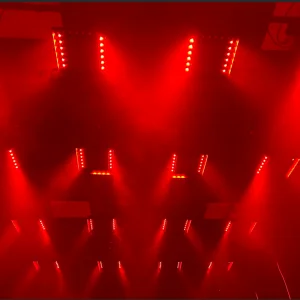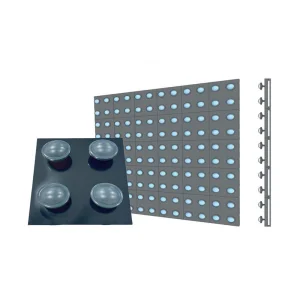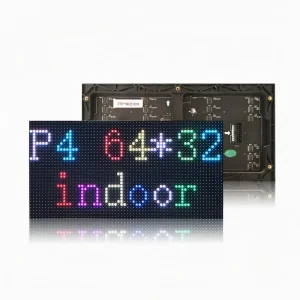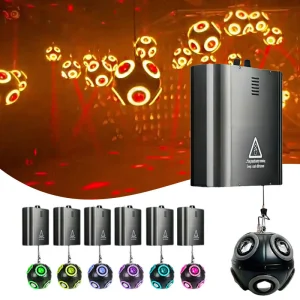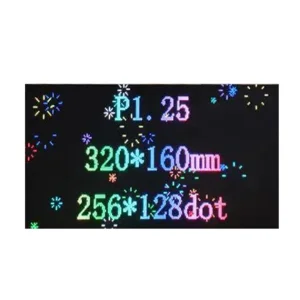
In modern spatial architectural design, commercial entertainment, and high-end retail, static light fixtures are rapidly being replaced by Dynamic Lighting Solutions. This technology does not merely serve as illumination; it functions as a fluid medium that shapes emotional response, choreographs spatial volume, and bridges the gap between digital content and physical structural engineering.
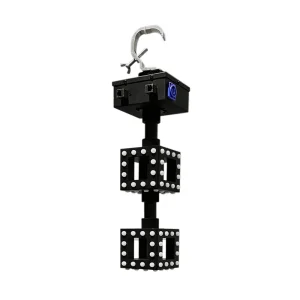
Across global major metropolises—from Las Vegas and Macau to London and Dubai—venues demand visual solutions that captivate audiences instantly. High-intensity applications such as nightclubs, electronic music festivals, corporate experiential zones, and dynamic building facades are transitioning toward network-addressed, DMX512-A/Art-Net controlled installations. By combining precise mechanical winches (Kinetic Lights) with high-density LED displays and matrix installations, operators achieve three-dimensional spatial manipulation, creating immersive environments that were impossible a decade ago.
According to current industrial lighting insights, the global market for smart lighting and kinetic control units is experiencing a compounded annual growth rate (CAGR) exceeding 18.4%. Enterprise buyers, project designers, and entertainment conglomerates are shifting focus from simple hardware procurement to seeking comprehensive, end-to-end OEM dynamic lighting engineering relationships that guarantee safety, control synchronicity, and long-term operating reliability.
Founded in 2019 in the heart of Guangdong Province's electronics cluster, Xiaosan was established by visionary founders Mrs. Ami Q and Mr. Ahren Z. Driven by the mission to revolutionize architectural entertainment spaces, the company has transformed into a globally recognized powerhouse for kinetic lighting, 3D matrix fixtures, and specialty DJ club lighting designs.
Occupying a state-of-the-art 1,000 square meter factory floor, Xiaosan operates advanced production systems, precision SMT assembly lines, and rigorous mechanical simulation rigs. The facility is anchored by a dedicated team of 30 lighting tech experts, optical engineers, and mechanical structural specialists.
Whether engineering lightweight kinetic winch gears, custom-designed DMX matrix boards, or online controller interfaces, our team controls every phase of production. We provide comprehensive, one-stop services—encompassing design drafting, 3D lighting simulation, custom SMT fabrication, software optimization, mechanical balancing, and remote commissioning.

The manufacturing ecosystem of Guangdong Province provides unmatched competitive advantages for OEM global sourcing of dynamic lighting. With immediate access to tier-one LED component manufacturers, aluminum extrusion suppliers, and mechanical gear specialists, Xiaosan can move projects from design to mass production faster than foreign domestic alternatives.
For enterprise buyers, sourcing direct from our Guangdong factory minimizes middleman costs while offering immediate custom design flexibility. We utilize advanced production setups, structural safety tests, and a dedicated, multilingual sales support framework. We guarantee that all kinetic systems pass a 72-hour continuous stress test, reducing mechanical fail rates on-site.
| Feature Parameter | Xiaosan OEM Factory Sourcing | Western Importers / Traditional Distributors |
|---|---|---|
| Direct Technical Customization | Full component customization (winch speed, motor load, custom PCB, custom chassis). | Fixed catalog selections with long cycles for modification. |
| Supply Chain Integration | Direct connection with major LED clusters in Guangdong; rapid component sourcing. | Vulnerable to multi-tiered markup chains and extended lead times. |
| Structural Testing Standards | 72-hour load stress testing, mechanical fall protection, electrical safety validation. | Varying levels of regional checks; diagnostics are often delayed. |
| Cost to Value Performance | Direct manufacturer pricing, optimized design integration. | Includes import margins, warehousing overheads, and distributor markup. |
The complexity of dynamic lighting lies in the integration of three key engineering systems: mechanical drive kinetics, optoelectronic design, and digital communication protocols.
Our kinetic winches utilize advanced stepper motors with high encoder resolution. This design guarantees smooth vertical movement, minimal operating noise, and microsecond-level positioning accuracy. Integrated fall protection brakes and physical end-stops protect overhead installations and audiences below.
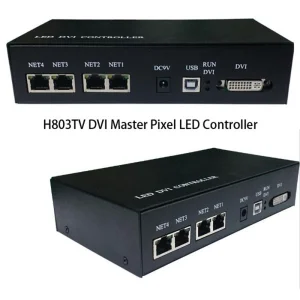
By supporting Art-Net, sACN, and standard DMX512 communication, our hardware integrates into professional consoles (grandMA, Avolites) and dedicated media servers like Madrix. Our online controllers, such as the H803TV, process high-frame-rate inputs over DVI/HDMI to map complex video files onto 3D fixtures.
We use high-color-rendering LEDs with tight binning control to prevent chromatic drift across large-scale installations. Thermal management designs, including optimized aluminum PCBs and dynamic heat-sink modules, ensure that internal diodes run cool. This preserves color accuracy and maximizes the operating life of the fixtures.
Dynamic lighting installations must adapt to the structural and atmospheric demands of their environments. By matching the right lighting fixtures with targeted control setups, operators can transform ordinary spaces into unforgettable sensory experiences.
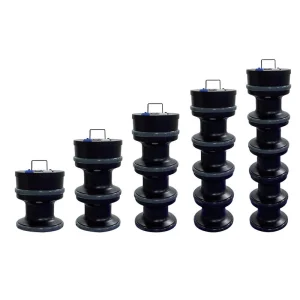
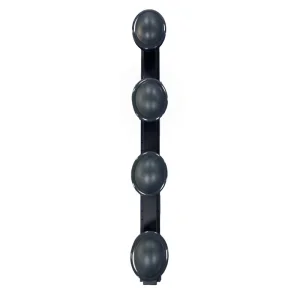
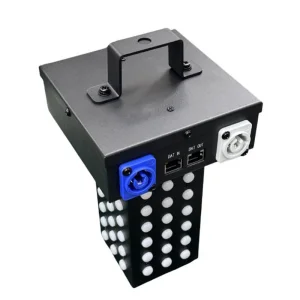
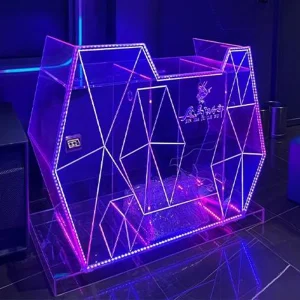
In high-intensity entertainment hubs, systems like kinetic spheres, UFO ring lights, and pixel wave modules create immersive, three-dimensional movement. These fixtures are programmed to shift with the music, changing height, speed, and color in real time to build energy and captivate crowds.
Brands use smart pixel matrix installations and custom-shaped LED panels to engage customers. These high-density displays are often programmed with interactive content, reacting to visitor movement to create a personalized, modern brand experience.
Museums, galleries, and public art spaces rely on 3D LED matrix grids and digital fixtures to host immersive, story-driven displays. These fixtures require high refresh rates and precise dimming controls to render clean gradients and support high-speed photography.
The dynamic lighting industry is shifting toward more interactive, intelligent systems. Sourcing teams are looking beyond basic RGB color mixing to seek advanced, future-proof features that improve operation and simplify maintenance.
Next-generation controllers process data from cameras, lidar, and sound inputs. By using AI-driven processors, lighting displays can analyze music BPM or visitor behavior in real time, automatically adjusting color patterns and motion paths without requiring manual pre-programming.
Modern installations rely on bidirectional communication protocols like RDM (Remote Device Management). These systems report voltage fluctuations, motor temperatures, and run hours directly to control booths, alerting technicians to potential issues before components fail.
Environmental regulations are driving development of higher-efficacy LED emitters. In addition, next-generation kinetic winches feature regenerative braking systems that feed energy back into the power supply during descent, reducing utility costs for large installations.
Procuring custom staging equipment requires careful vetting of manufacturing capabilities. When evaluating potential OEM partners for large-scale installations, sourcing teams should focus on four core qualifications:
Ensure the manufacturer provides valid structural safety documentation for overhead winches and kinetic fixtures. Look for secondary safety cable attachments, overload protection circuits, and electromagnetic compatibility tests.
A qualified partner should support your project from initial design to final setup. Verify that the engineering team can work with standard 3D CAD files and supply precise system layout schematics.
Confirm the factory's quality assurance practices. All components should undergo extensive burn-in testing, mechanical stress checks, and thermal profiling under full operational load before shipment.
Take a virtual tour of our production floors, QA setups, and packing bays. Our facilities in Guangdong are designed to maintain high production quality and speed at every stage.


 Xiaosan Light