Explore our engineering-grade architectural, nightclub, and concert-ready lighting hardware designed for modern spatial configurations.
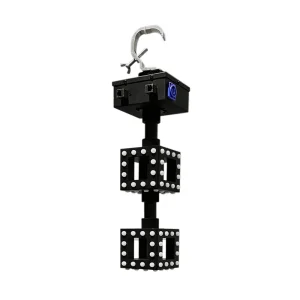
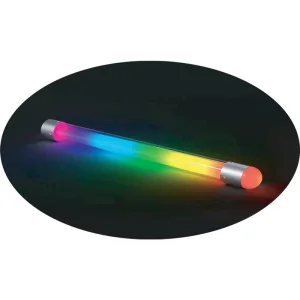
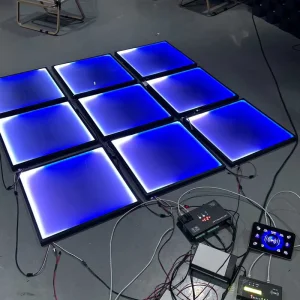
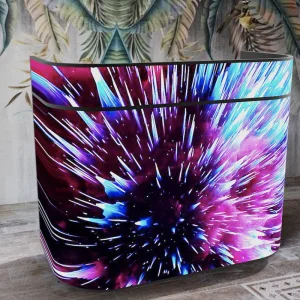
The global entertainment lighting industry has shifted from functional illumination to immersive spatial engineering. In the era of semantic visual experiences, live audiences demand three-dimensional environments that synchronize audio, video, and mechanical movement. The days of static, hot halogen cans have been replaced by energy-efficient, high-density LED emitters, moving heads, and intelligent DMX-controlled winches.
At the center of this revolution is the convergence of kinetic movement and pixel mapping. By mapping video signals directly onto physical, moving light elements, lighting designers can create organic, flowing structures. These systems utilize advanced protocols such as DMX512, RDM, Art-Net, and sACN to manage thousands of control parameters in real time. For B2B procurement professionals, staging companies, and nightclub owners, sourcing these complex systems requires more than buying off-the-shelf fixtures. It demands partnering with manufacturers that provide deep R&D integration, strict manufacturing standards, and robust signal topology designs.
1. Kinetic Motion Scenography: Static layouts are no longer sufficient. Modern stage designs incorporate hundreds of synchronous winch systems lifting spheres, tubes, and bars to change physical geometry on the fly. This mechanical movement must be synchronized with precision-tuned speed controllers, electronic anti-sway features, and double safety line configurations to ensure safety above crowds.
2. Pixel-Level Control and Mapping: Individual fixture control has evolved into pixel mapping, where complex video files are translated directly into lighting control signals. Using Madrix and DVI/HDMI-capable interfaces, lighting rigs function as low-resolution, three-dimensional LED screens suspended in space, offering unmatched depth and texture.
3. Sustainability & Optical Efficiency: Green initiatives mandate low-consumption, high-output LED engines. Thermal management is critical; active cooling profiles and smart PWM (Pulse Width Modulation) power supplies prevent degradation of LED chips, maintaining color balance over long runtimes.
Providing high-end LED lighting solutions, engineering support, and reliable manufacturing for global entertainment venues.
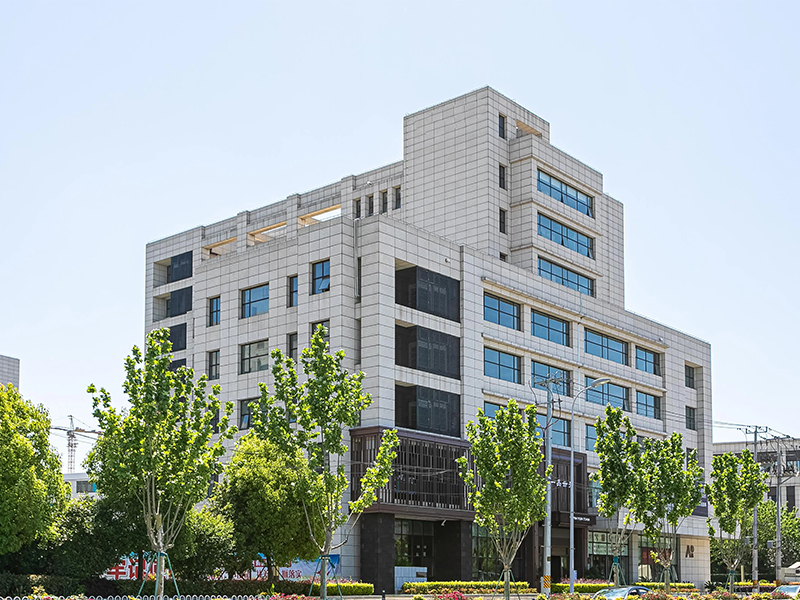
Founded in 2019 by Mrs. Ami Q and her husband Mr. Ahren Z in Guangdong Province, Xiaosan has grown from a specialized workshop into a recognized manufacturer of LED lighting solutions for nightclubs, live music venues, DJ discos, and architectural installations.
Our facility occupies a specialized 1,000 square meter factory space, housing advanced production machinery, specialized aging areas, and precise testing chambers. Supported by 30 experienced professionals, our R&D and assembly teams ensure every product is built to meet rigorous commercial performance standards.
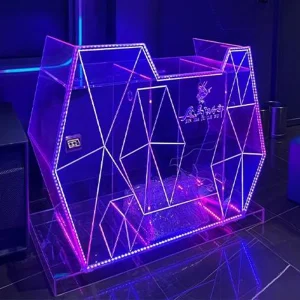
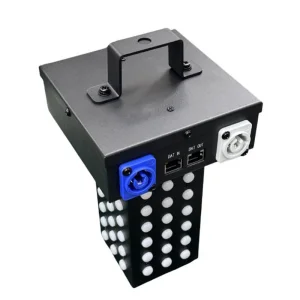
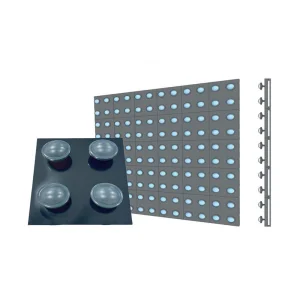
We supply a broad range of high-end equipment, including DMX winch lifting spherical lights, kinetic tubes, LED effect structures, customized LED screens, dynamic dance floors, and 3D volumetric fixtures.
From conceptual design, structural calculations, and custom 3D pre-visualizations to direct installation supervision and commissioning, we provide end-to-end integration support.
All products are covered by a comprehensive 3-year warranty. We implement multi-phase QA inspections, including 48-hour burn-in tests, vibration checks, and DMX controller sweep diagnostics.
We serve over 30,000 clients, including Global 500 enterprises. Our multi-lingual 24-hour technical support desk handles international shipping and customs documentation.
A closer look at our manufacturing plant, testing floor, and technical department in Guangdong.
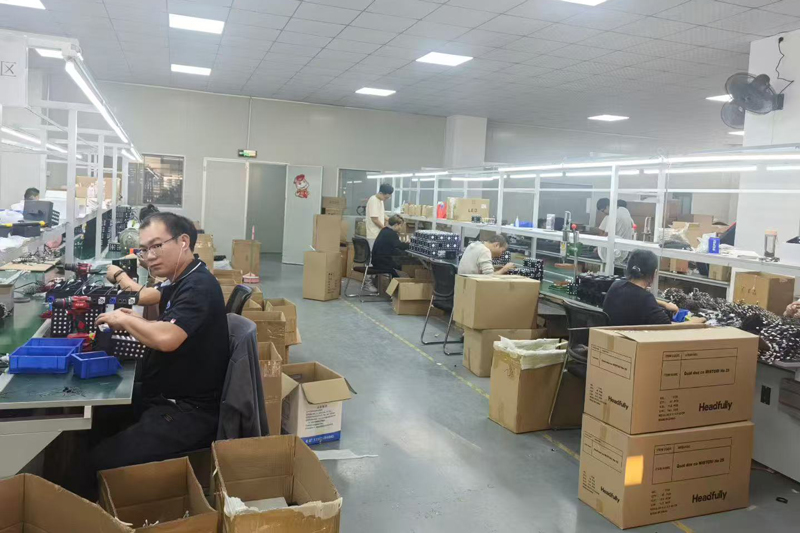
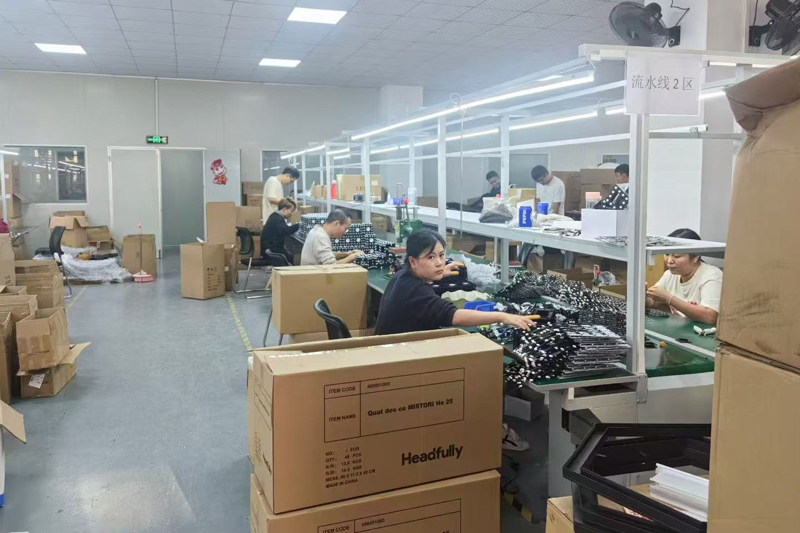
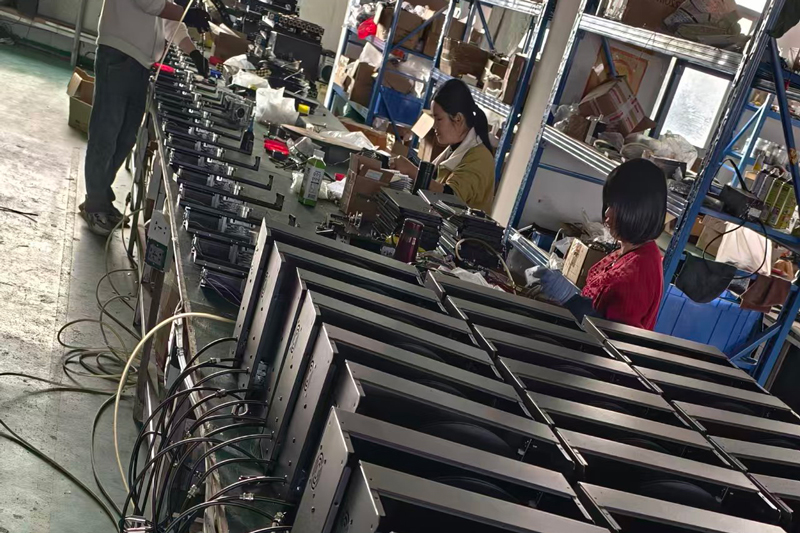
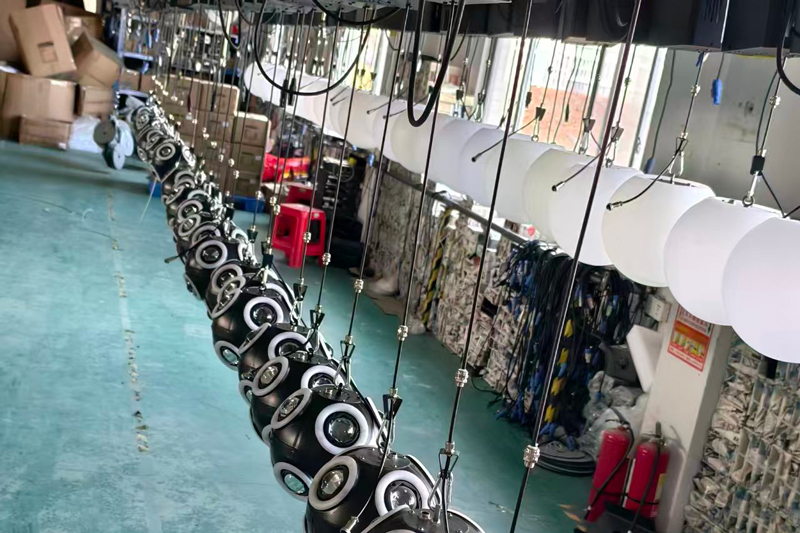
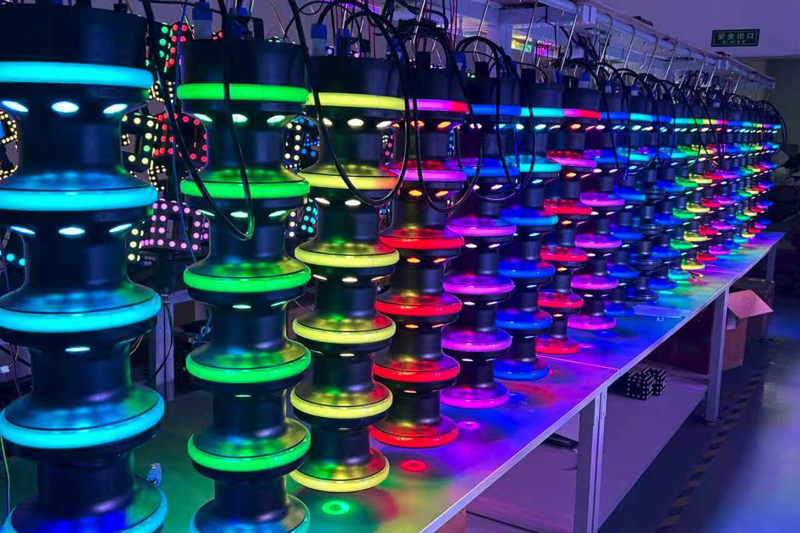
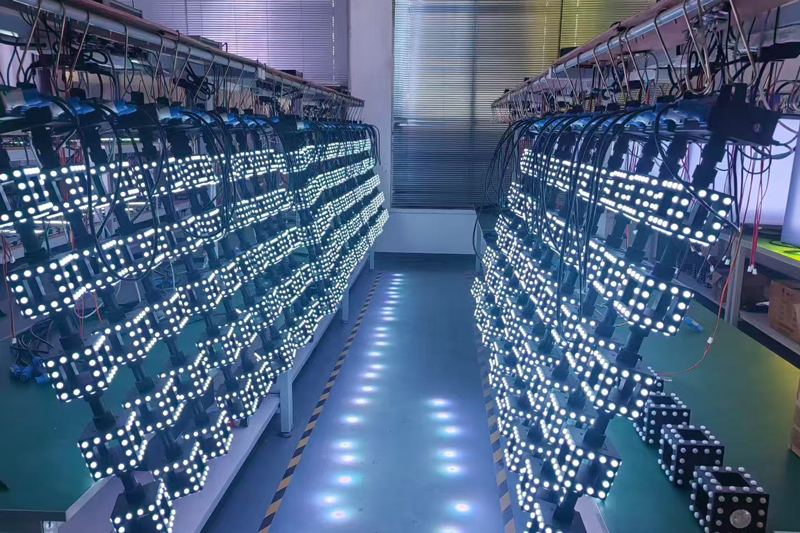
B2B buyers, AV rental houses, and main contractors face specific risks when sourcing high-value lighting arrays from overseas factories. As a key supplier, Xiaosan addresses these issues through structured quality systems and technical transparency.
When operating large matrices of DMX winches or pixel bars (such as the 3D Gourd or Wave Light modules), signal degradation can lead to visible latency or dropped frames. To solve this, our technical team works with buyers to structure the network topology. We recommend high-speed Art-Net-to-DMX nodes, optical isolation distributors, and proper termination to guarantee latency-free operation across thousands of control channels.
Overhead rigging requires strict safety parameters. Our winches and suspension gear are designed with safety factors that exceed local requirements. We use flame-retardant cabling, reliable mechanical limits, and overload-sensing circuits to protect crews and crowds during operation.
With product lifecycles often spanning 5-10 years, sourcing matching LED modules or driver chips for expansion or repairs can be difficult. Xiaosan maintains a consistent supply chain by utilizing standardized LED binning and driver chipsets, ensuring that future purchases match the color temperature, CRI, and control response of earlier batches.
Our development focus is on smart lighting integration and DMX/IP-native infrastructure. By utilizing digital control cards, our systems interface with industry-standard media servers like Madrix, Resolume, and GrandMA consoles.
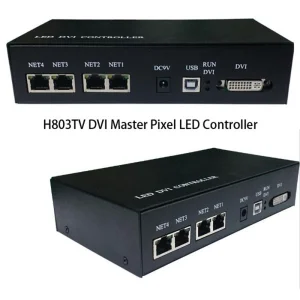
For systems like the OEM H803TV Madrix Master Controller, we bridge standard media players with physical LED arrays. This DVI/HDMI-capable control design splits video inputs down to the pixel level, allowing for real-time video-to-light mapping across 3D kinetic arrays and LED panels.
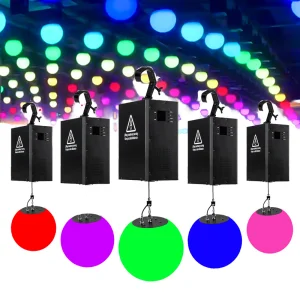
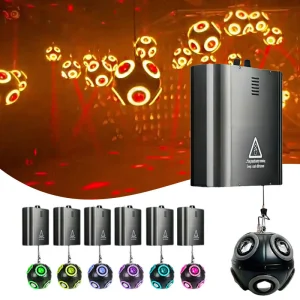
Our kinetic lifting ball and tube fixtures feature step-less speed control and smooth acceleration ramps. The high-performance internal motors maintain vertical alignment without swaying, even during high-speed vertical movements. This level of control is essential for creating complex patterns and transitions.
Review our specialized kinetic, structural, and control equipment below.
Get answers to common technical, logistics, and installation questions about wholesale stage lighting.
 Xiaosan Light